
Oral health and eye care in pregnancy
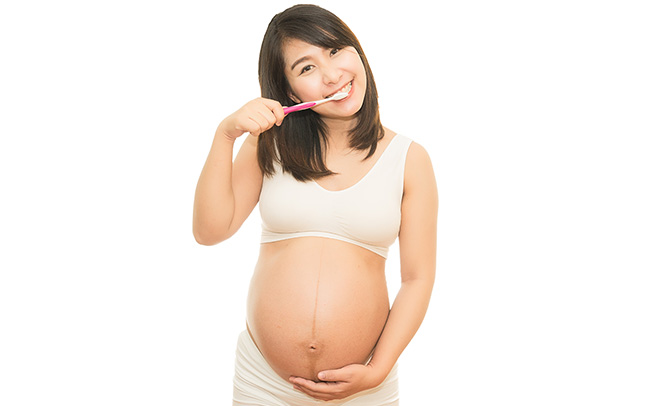
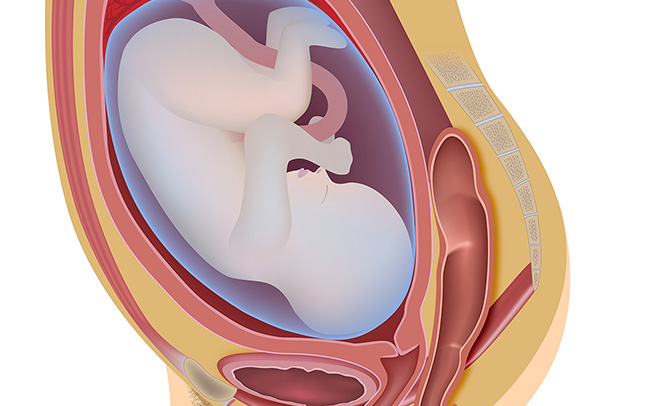 Pelvic floor exercises help strengthen the muscles of the pelvis, which are under additional strain during pregnancy and childbirth. Adopting these exercises regularly will reduce the likelihood of you experiencing pregnancy and postnatal related incontinence and help your body to recover after birth. It can also reduce the risk of urinary and faecal incontinence in the future, as well as reducing any symptoms of pelvic organ prolapse.
You should start the exercises as soon as you are pregnant and continue them during your pregnancy and continue the exercises during the postnatal period.
Pelvic floor exercises help strengthen the muscles of the pelvis, which are under additional strain during pregnancy and childbirth. Adopting these exercises regularly will reduce the likelihood of you experiencing pregnancy and postnatal related incontinence and help your body to recover after birth. It can also reduce the risk of urinary and faecal incontinence in the future, as well as reducing any symptoms of pelvic organ prolapse.
You should start the exercises as soon as you are pregnant and continue them during your pregnancy and continue the exercises during the postnatal period.
 Exercise is an important part of maintaining a healthy lifestyle and is known to be safe in pregnancy.
Pregnancy is not the time to start a challenging new fitness regime, but it is good to maintain your pre-pregnancy level of activity with some adjustments if needed, or to try something gentle like walking, swimming or pregnancy yoga.
Some women feel exercise helps them adjust to the physical changes taking place in their body, promoting a sense of wellbeing and reducing feelings of stress, anxiety and depression. Exercise may help prevent some pregnancy complications and can help with swollen ankles/feet:
Exercise is an important part of maintaining a healthy lifestyle and is known to be safe in pregnancy.
Pregnancy is not the time to start a challenging new fitness regime, but it is good to maintain your pre-pregnancy level of activity with some adjustments if needed, or to try something gentle like walking, swimming or pregnancy yoga.
Some women feel exercise helps them adjust to the physical changes taking place in their body, promoting a sense of wellbeing and reducing feelings of stress, anxiety and depression. Exercise may help prevent some pregnancy complications and can help with swollen ankles/feet:
 It is safe to have sex in pregnancy, unless your care provider has advised against it.
Some couples find sex enjoyable during pregnancy, whereas some find their sex drive changes and they don’t feel like they want to have sex as often or at all. If you don’t feel like having sex, think about other ways you could feel intimate and close with your partner. Talk about your feelings with your partner and make adjustments if you need them. Your breasts may be sore and tender, and as your bump grows certain positions become more difficult. Having sex cannot harm your baby, and he or she will not be aware of what is happening.
It is safe to have sex in pregnancy, unless your care provider has advised against it.
Some couples find sex enjoyable during pregnancy, whereas some find their sex drive changes and they don’t feel like they want to have sex as often or at all. If you don’t feel like having sex, think about other ways you could feel intimate and close with your partner. Talk about your feelings with your partner and make adjustments if you need them. Your breasts may be sore and tender, and as your bump grows certain positions become more difficult. Having sex cannot harm your baby, and he or she will not be aware of what is happening.
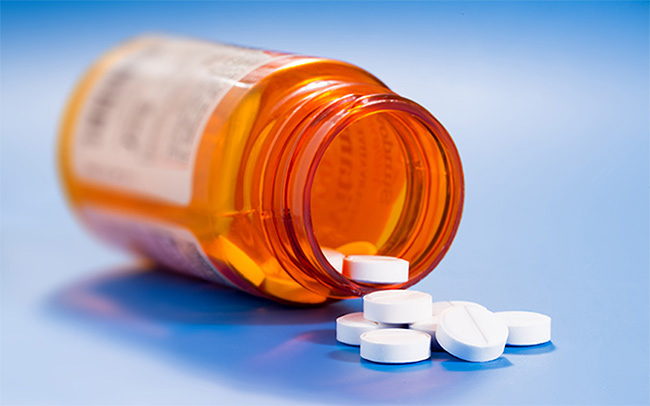 If you are taking medications for any long term conditions, do not stop taking them or change the dose without talking to your GP first. If you’re not sure about the safety of certain medications, talk to your GP or local pharmacist. Many medications are safe when breastfeeding but talk to your GP who can confirm or recommend a safe alternative.
Your GP can provide you with a signed form for a maternity exemption certificate. This will entitle you to free NHS prescriptions up to one year after the birth of your baby.
If you are taking medications for any long term conditions, do not stop taking them or change the dose without talking to your GP first. If you’re not sure about the safety of certain medications, talk to your GP or local pharmacist. Many medications are safe when breastfeeding but talk to your GP who can confirm or recommend a safe alternative.
Your GP can provide you with a signed form for a maternity exemption certificate. This will entitle you to free NHS prescriptions up to one year after the birth of your baby.
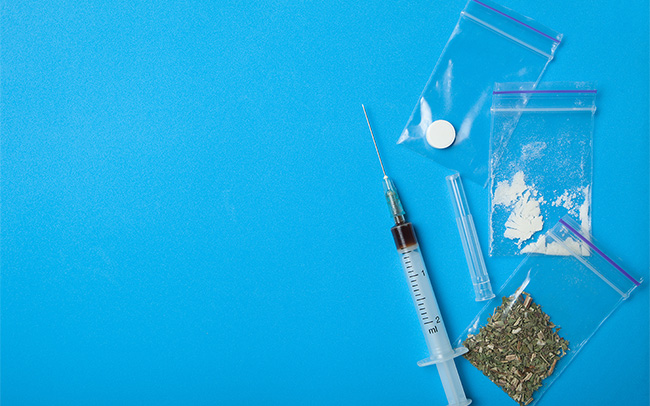 Use of illegal or street drugs when pregnant can seriously harm you and your baby. If you (or someone close to you) are using drugs, it’s important to seek help straight away. You can talk to your midwife, GP or any of the specialist treatment services that are available.
For 24 hour immediate help and support contact this advice line:
FRANK:
Tel: 0300 123 600
Text: 82111
Use of illegal or street drugs when pregnant can seriously harm you and your baby. If you (or someone close to you) are using drugs, it’s important to seek help straight away. You can talk to your midwife, GP or any of the specialist treatment services that are available.
For 24 hour immediate help and support contact this advice line:
FRANK:
Tel: 0300 123 600
Text: 82111
 Smoking and inhaling passive smoke is extremely harmful for you and your unborn baby.
A single cigarette contains as much as 4,000 chemicals which travels to your unborn baby via your bloodstream. Even smoking as little as one a day can increase risk of complications in pregnancy and birth. Quitting smoking as soon as possible while you are pregnant can protect against:
Smoking and inhaling passive smoke is extremely harmful for you and your unborn baby.
A single cigarette contains as much as 4,000 chemicals which travels to your unborn baby via your bloodstream. Even smoking as little as one a day can increase risk of complications in pregnancy and birth. Quitting smoking as soon as possible while you are pregnant can protect against:
 The point at which alcohol consumption becomes dangerous to an unborn baby is unknown. The safest way to protect against the effects of alcohol is to avoid it completely. Babies born to mothers who drink alcohol excessively when pregnant can be affected by a range of disorders known as Fetal Alcohol Spectrum Disorder. Talk to your midwife or GP if you have concerns about alcohol in pregnancy.
 A healthy varied diet is recommended in pregnancy including plenty of fruit, vegetables, carbohydrates, protein and dairy.
You do not need to eat for two, but you may need to have regular healthy snacks as your body works to support the growing baby. There are some foods that you should avoid during pregnancy because they could make you unwell or harm your baby. Guidance around which foods to avoid can change as new evidence or research is found.
If you are a vegetarian it is important to eat foods that top up your iron levels, such as brown bread, beans and green leafy vegetables. Dairy foods, or fortified dairy alternatives are an important source of protein, vitamin B12, calcium and zinc.
A healthy varied diet is recommended in pregnancy including plenty of fruit, vegetables, carbohydrates, protein and dairy.
You do not need to eat for two, but you may need to have regular healthy snacks as your body works to support the growing baby. There are some foods that you should avoid during pregnancy because they could make you unwell or harm your baby. Guidance around which foods to avoid can change as new evidence or research is found.
If you are a vegetarian it is important to eat foods that top up your iron levels, such as brown bread, beans and green leafy vegetables. Dairy foods, or fortified dairy alternatives are an important source of protein, vitamin B12, calcium and zinc.
 It may seem like everyone else is happy and coping, but it doesn’t mean they are. Lots of women feel low in pregnancy, but many women who feel down may try and hide it.
Here are some tips to improve your emotional wellbeing:
It may seem like everyone else is happy and coping, but it doesn’t mean they are. Lots of women feel low in pregnancy, but many women who feel down may try and hide it.
Here are some tips to improve your emotional wellbeing:
