
Weight management

 Pregnant woman doing yoga exercise in the living room at home
 During pregnancy your midwife or doctor will be checking to ensure that your baby is growing well. This is done at defined stages in the pregnancy, either by measuring your bump with a tape measure or by routine ultrasound scans. If there is a concern about the growth of your bump you may be referred for a growth scan. Your baby’s progress is plotted on a chart by the person taking the measurement (midwife, doctor or sonographer).
If your baby is found to be growing smaller than expected you may require additional ultrasound scans and antenatal appointments to monitor your baby’s wellbeing.
During pregnancy your midwife or doctor will be checking to ensure that your baby is growing well. This is done at defined stages in the pregnancy, either by measuring your bump with a tape measure or by routine ultrasound scans. If there is a concern about the growth of your bump you may be referred for a growth scan. Your baby’s progress is plotted on a chart by the person taking the measurement (midwife, doctor or sonographer).
If your baby is found to be growing smaller than expected you may require additional ultrasound scans and antenatal appointments to monitor your baby’s wellbeing.

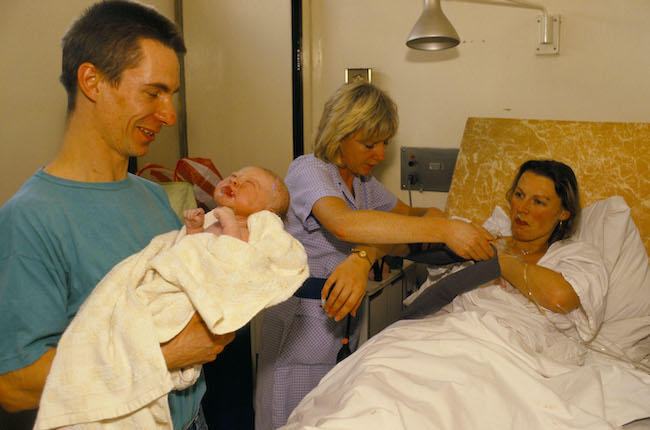 Once you are admitted to the postnatal ward or discharged home from hospital to the care of the community midwife, you can expect that your body will need some time to recover from the birth. Midwives, maternity support workers or nurses may be involved in your care and will carry out routine checks to ensure that you are well. This will include a regular top to toe physical check, including inspection of sutures (stitches).
If you have had a vaginal birth you will be offered pain relief. Read “Commonly used medicines” to find out what painkillers are routinely offered. Read “After pains” and “Perineal after-care” which explains how you can help yourself if you are experiencing after pains or if you have had an episiotomy (cut) or a perineal tear. If you have had an assisted delivery you may need to have a urinary catheter for a few hours. Read “Passing urine” for more information.
It is important to eat well and drink plenty of fluids to promote health and wellbeing after any type of birth.
Once you are admitted to the postnatal ward or discharged home from hospital to the care of the community midwife, you can expect that your body will need some time to recover from the birth. Midwives, maternity support workers or nurses may be involved in your care and will carry out routine checks to ensure that you are well. This will include a regular top to toe physical check, including inspection of sutures (stitches).
If you have had a vaginal birth you will be offered pain relief. Read “Commonly used medicines” to find out what painkillers are routinely offered. Read “After pains” and “Perineal after-care” which explains how you can help yourself if you are experiencing after pains or if you have had an episiotomy (cut) or a perineal tear. If you have had an assisted delivery you may need to have a urinary catheter for a few hours. Read “Passing urine” for more information.
It is important to eat well and drink plenty of fluids to promote health and wellbeing after any type of birth.
