Increased vaginal discharge

Increased vaginal discharge

Close up of woman's open palm with a pant liner lying across it Normal vaginal discharge is thin, clear or milky white and mild smelling. As your pregnancy progresses, this discharge usually becomes more noticeable, and is heaviest at the end of your pregnancy. You may want to wear an unscented panty liner. If however, the discharge becomes very smelly or the colour turns green, then you should consult your GP, as this could be a sign of a vaginal infection. Thrush (candida albicans) is common in pregnancy. Symptoms of thrush include; vaginal discharge that is thick, white (or tinged with pink) and can be very itchy. Consult your GP or midwife as thrush is easy to treat with a vaginal pessary and cream.

Pelvic girdle pain

Pelvic girdle pain

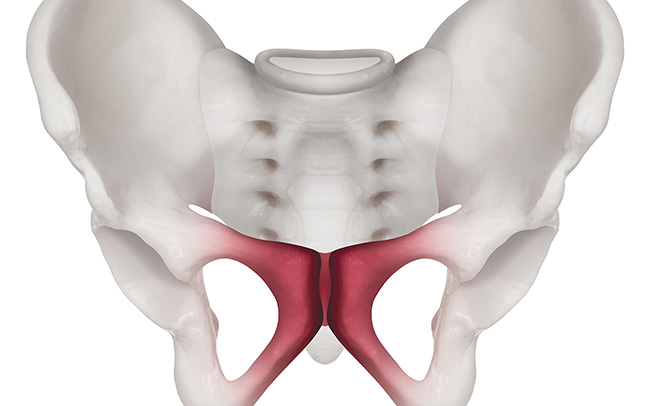
Graphic of pelvic girdle bones with the lower front area coloured red to show one of the areas where pain can occur Pelvic girdle pain can affect one in five women during pregnancy. Pain can be in the front, back or side of the pelvis and is normally worse when you are active. It can cause mild discomfort for some, and be very debilitating for others. Try to keep your knees together when turning in bed, getting up from your bed and getting out of the car. Avoid putting excess strain on one side of the body during daily activities, if these activities cause pain. For example:
  • get dressed whilst sitting down
  • take stairs one step at a time
  • use a backpack instead of a handbag.
Ask your midwife about seeing a specialist women’s health physiotherapist if you’re experiencing problems with pelvic pain.


Constipation

Constipation

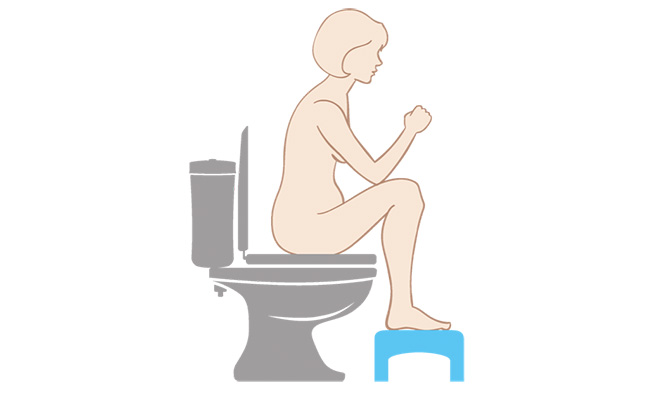
Graphic of woman sitting on a toilet with her feet placed on a low stool Constipation can occur from quite early on in pregnancy. Drink plenty of water, you will need between 1.5 to 2 litres of fluid per day. Ensure you’re getting lots of fruit, vegetables and fibre in your diet. When sitting on the toilet to empty your bowels, it is helpful to have your feet on a stool so your knees are higher than you hips and to lean forwards. This often makes emptying your bowels easier. Consult your pharmacist for advice if the problem persists.

Indigestion/heartburn

Indigestion/heartburn

Woman looking uncomfortable with her hand placed on her upper chest area Indigestion/heartburn is caused by hormonal changes, and the womb pressing on your stomach as your baby grows. There are plenty of home remedies you can try. Milk and/or antacids can help ease symptoms. If indigestion remedies don’t work and/or you have other symptoms, read the Heart health in pregnancy section and talk to your midwife or GP.

Headaches

Headaches

Woman in bed holding her forehead Headaches may increase due to hormonal changes. Drink plenty of water, rest and take paracetamol (1g) if required. Contact your midwife/doctor if you experience severe headaches (with/without problems with vision) that do not resolve with hydration, rest and paracetamol.

Feeling faint

Feeling faint

Woman looking unwell holding a glass of water It is common to feel faint or lightheaded in pregnancy and this is often caused by standing up too quickly or lying flat on your back. Always stand up gently and when lying down try to stay on your side, particularly after 28 weeks gestation. Keeping well hydrated can reduce feeling faint. If symptoms persist, talk to your midwife or doctor.

Incontinence

Incontinence

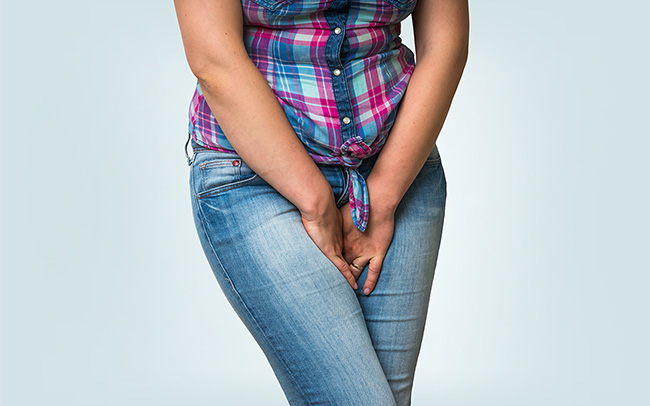
Close up woman in jeans with crossed legs and her hands on her groin area Incontinence can affect women during and immediately after pregnancy, due to the effect of hormones on the pelvic floor, and the pressure from the growing baby. Women may leak a small amount of urine when coughing, laughing, sneezing or moving suddenly. Should this happen, the first thing to do is to start your pelvic floor exercises daily. It is also helpful to contract your pelvic floor just before you cough, sneeze, lift, laugh or do an activity that causes a leak. Should the symptoms persist during pregnancy or more than six weeks after the pregnancy, ask your GP to refer you for specialist support. It is recommended that all women strengthen their pelvic floor during pregnancy to prevent and/or treat incontinence.

Urinary tract infections (UTIs)

Urinary tract infections (UTIs)

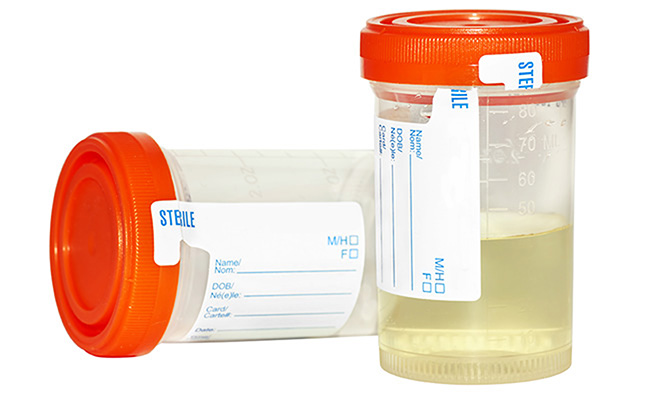
Close up of test tubes containing urine samples These are more common in pregnancy. You should look out for the signs and symptoms, and contact your GP or midwife urgently if you think you could have an infection. Symptoms include pain on passing urine, passing small amounts of urine more often than usual, or urine that is cloudy and strange smelling. Signs that you might have bacterial vaginosis (BV) are:
  • thin white or grey vaginal discharge
  • strong, fishy odour, especially after having sex
  • pain, itching or burning in or around the vagina
  • burning sensation when you urinate
Drinking plenty of water in pregnancy can help reduce the occurrence of UTIs.