Alcohol

Alcohol

Close up of red wine being poured into a wine glass The point at which alcohol consumption becomes dangerous to an unborn baby is unknown. The safest way to protect against the effects of alcohol is to avoid it completely. Babies born to mothers who drink alcohol excessively when pregnant can be affected by a range of disorders known as Fetal Alcohol Spectrum Disorder. Talk to your midwife or GP if you have concerns about alcohol in pregnancy.

Diet

Diet

Box of vegetables A healthy varied diet is recommended in pregnancy including plenty of fruit, vegetables, carbohydrates, protein and dairy. You do not need to eat for two, but you may need to have regular healthy snacks as your body works to support the growing baby. There are some foods that you should avoid during pregnancy because they could make you unwell or harm your baby. Guidance around which foods to avoid can change as new evidence or research is found. If you are a vegetarian it is important to eat foods that top up your iron levels, such as brown bread, beans and green leafy vegetables. Dairy foods, or fortified dairy alternatives are an important source of protein, vitamin B12, calcium and zinc.

Foods and drinks to avoid in pregnancy

Moringa tea, used by different cultures for blood cleansing and waste excretion, contains dangerous chemicals from the moringa root, bark and flowers which can make the uterus to contract prematurely (too early). Some of the spices in chai tea can be harmful in pregnancy. Cloves can lead to seizures and intestinal (gut) bleeding when over-consumed. Chamomile can cause miscarriages. Quinine, found in in Indian tonic water, traditionally used to treat leg cramps and malaria, can cause birth defects. Nourishment drinks, such as Caribbean guinness and peanut punch is not suitable for pregnant/nursing people. These drinks contain fortified vitamins and minerals which may exceed the daily recommended intake values. Liver can damage the unborn baby’s eyes and used in excess may lead to miscarriage, premature labour and severe eczema. Liver is traditionally used in pepper soup. Sweet rice, made as a traditional dish in some cultures can lead to gestational diabetes. Sweet dishes such as this should be eaten in moderation. A diet high in red meat and saturated fat, can reduce the production of platelets, leading to a condition known as thrombocytopenia.

Weight gain in pregnancy

Normal weight gain in pregnancy is between 10-12.5kg (22-28lb). Calculate your BMI (Body Mass Index) with the BMI calculator below, using your pre-pregnancy weight. If you start your pregnancy with a high BMI (more than 35) or low BMI (18 or less) your midwife or GP may give you special dietary advice about weight gain or loss.

Improving your emotional wellbeing in pregnancy

Improving your emotional wellbeing in pregnancy

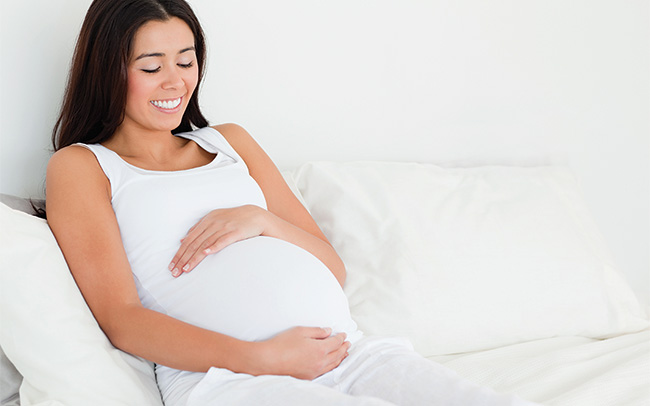
Pregnant woman smiling and holding her bump It may seem like everyone else is happy and coping, but it doesn’t mean they are. Lots of women feel low in pregnancy, but many women who feel down may try and hide it. Here are some tips to improve your emotional wellbeing:

Health and wellbeing in pregnancy plan

Health and wellbeing in pregnancy plan

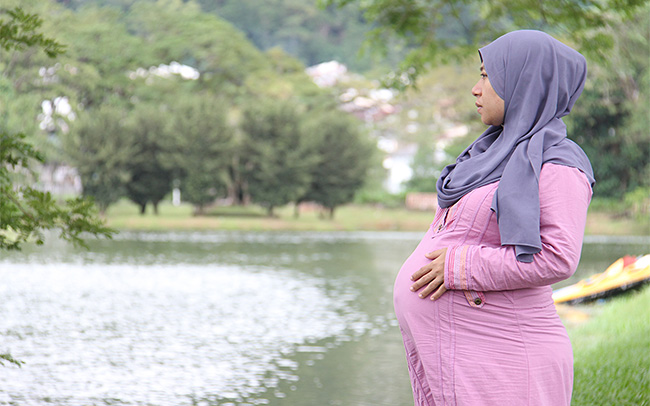
Pregnant woman in headscarf with hand on her bump Use the Health and wellbeing in pregnancy plan in the Personalised care and support plans section of this app to help you identify your emotional and physical needs in pregnancy. Discuss your plan with your midwife or doctor at your antenatal appointments. In addition, you might find the link below helpful.

Self-help

Self-help

Pregnant woman in sitting yoga position

Exercise and eat well

Swimming, walking, running, dancing, yoga – whatever works for you – keep doing it through pregnancy. Exercise gives you a chance to focus on something different, and is great for you and your baby’s health. A surge of endorphins, or stress-relieving stretches, can help you feel good and sleep better. Good nutrition will keep you healthy and help your baby grow and develop.

Take time out for yourself every day

Do something you enjoy that’s just for you. For example:
  • take a warm bath
  • chill out to some music
  • close your eyes
  • gently massage your growing bump
  • keep a journal.
Choose whatever makes you feel peaceful. Doing this will also help your baby’s brain to develop. In Getting to know your baby you can read more about how building a relationship with your unborn baby can support wellbeing.

Meditation, breathing techniques and hypnobirthing

Many women find meditation and breathing techniques not only help them to relax in pregnancy, but can also help to manage pain in labour. Ask your midwife what classes are available at your maternity unit.

Talk to someone you trust

Talk about how you’re feeling. Getting things off your chest and talking your worries through with an understanding and trustworthy friend, family member or colleague at work can make all the difference.

Ask for practical help from family or friends

If you’re struggling to cope physically or emotionally with your pregnancy – get some help. Whether it’s with housework, or shopping, or childcare (if you have other children), ask for help if you can. Try not to exhaust yourself and rest when you need to. If you do not have close supportive relationship, talk to your midwife about how you feel.

Anxiety about childbirth

Anxiety about childbirth

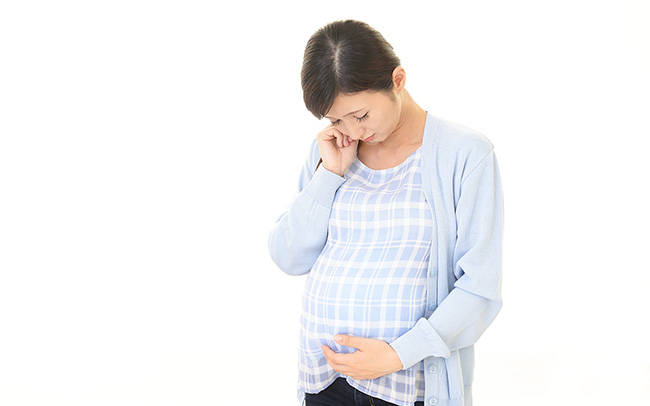
Pregnant woman looking down anxiously at her bump For many women the thought of childbirth is anxiety-provoking and some might say that this is a normal response to an unpredictable event where the outcome is vitally important. However, for some women severe anxiety about childbirth can have a very negative impact on their experience of pregnancy and birth, this condition is sometimes known as tocophobia. Lots of women have some fears about giving birth, but you are more likely to have severe anxiety if:
  • you have had extensive gynaecological problems
  • fear of childbirth is in your family and you have heard frightening stories about birth from family
  • you have had an anxiety disorder
  • you have a strong need to remain in control at all times
  • you have had a previous traumatic birth
  • you experienced sexual abuse as a child
  • you have experienced sexual assault or rape
  • you have depression.

What should you do?

Tell your midwife or doctor about your fears, as early in your pregnancy as possible. They should refer you to a healthcare professional trained to support women who experience severe anxiety. Research shows that fears can be reduced with specific psychological and emotional support during pregnancy. They will also provide you with information about the risks and benefits of different modes of birth.

How can I help myself?

The earlier you can get help the better:
  • speak to your partner and family/friends if you feel comfortable doing so
  • read information from reliable sources – don’t rely on information from blogs or internet forums
  • arrange to visit the labour ward or birth centre so that you can become familiar with the environment
  • if you are concerned about coping with pain, discuss pain relief options with your midwife or doctor write a detailed birth plan in partnership with your birth partner and midwife.
You may benefit from talking therapies. Your midwife, obstetrician or GP can refer you or you can self-refer to your local Improving Access to Psychological Therapies (IAPT).

Emotional health during your pregnancy
Emotional health during your pregnancy

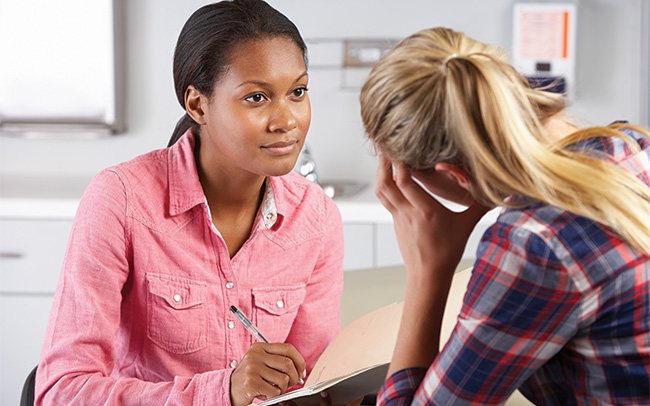
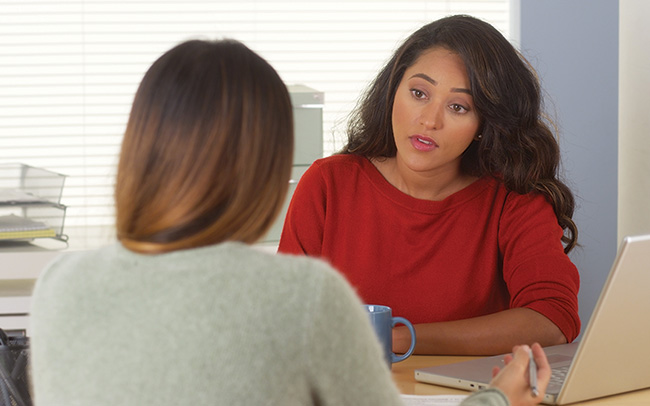
Pregnant woman talking to health professional It is not uncommon for mental health concerns to start during pregnancy, if you have any of the symptoms below at any point, speak to your midwife or doctor as soon as possible. If you are unwell they can arrange treatment to help. What to look out for:
  • feeling low or anxious most of the time, for more than two weeks
  • losing interest in things you normally like
  • having panic attacks
  • feeling worthless or guilty
  • losing your appetite
  • having unpleasant thoughts that keep coming back and you can’t control them
  • finding yourself repeating an action (like washing, checking, counting) to feel better
  • finding your thoughts race and you become extremely energetic and happy
  • feeling you are so afraid of giving birth that you don’t want to go through with it
  • continual thoughts that you are an unfit mother or that you’re not attached to the baby
  • thoughts about self-harm or suicide.
You should also tell your midwife or doctor if you have (or have had) an eating disorder, as you may benefit from additional support to deal with your body’s changes through pregnancy and beyond.
Portal: Mental health and wellbeing in your region


Talking about your emotional health

Talking about your emotional health

Two women sitting together talking and smiling At your booking appointment, your midwife will ask you questions about your mental and physical health so that they can find out whether you need any extra support. Every woman is asked these questions. Even if you don’t have a specific mental health issue, it’s a good idea to talk to your midwife if you’re feeling anxious or feel like you are isolated and/or do not have support. Your midwife will ask you:
  • how you are feeling
  • whether you have or have ever had mental health concerns, such as bipolar affective disorder, schizophrenia or schizoaffective disorder, previous postpartum psychosis, severe depression or other psychotic illness
  • whether you have ever been treated by a specialist mental health service
  • whether a close relative has ever had severe mental illness during pregnancy or after birth.
It’s important to be honest with your midwife about how you feel. They won’t judge you, and they can help you get support or treatment if you need it. If your midwife thinks you need more support after talking to you, they will refer you to the most appropriate service for your needs such as talking therapies, a specialist midwife, specialist perinatal services or your GP.

Perinatal mental health teams

Community perinatal mental health teams support mothers who are experiencing moderate to severe mental health problems.  They also offer pre-conception advice to women with existing mental health problems who are planning a pregnancy. They are staffed by a range of professionals and offer family focused help. These teams work closely with maternity services, health visitors, talking therapies, GPs, other community services and third sector organisations.