
Caring for twins
 There are some unique challenges to looking after your twins (or more babies). Twins Trust and MBF (Multiple Birth Foundation) both offer advice and support for parents.
There are some unique challenges to looking after your twins (or more babies). Twins Trust and MBF (Multiple Birth Foundation) both offer advice and support for parents.
There are some unique challenges to looking after your twins (or more babies). Twins Trust and MBF (Multiple Birth Foundation) both offer advice and support for parents.
 If you are concerned about your baby’s health at any time, please contact NHS 111 service for advice, call 999 or take your newborn to your local A&E or urgent care centre as soon as possible.
Abnormal symptoms can be:
If you are concerned about your baby’s health at any time, please contact NHS 111 service for advice, call 999 or take your newborn to your local A&E or urgent care centre as soon as possible.
Abnormal symptoms can be:
 A newborn’s skin is delicate and sensitive, and the use of any creams, lotions or cleansers should be avoided for at least the first month.
Babies may have dry skin after birth, and this is nothing to worry about. When bathing, it is best to use plain water and only a very mild and non-perfumed soap if required.
A newborn’s skin is delicate and sensitive, and the use of any creams, lotions or cleansers should be avoided for at least the first month.
Babies may have dry skin after birth, and this is nothing to worry about. When bathing, it is best to use plain water and only a very mild and non-perfumed soap if required.
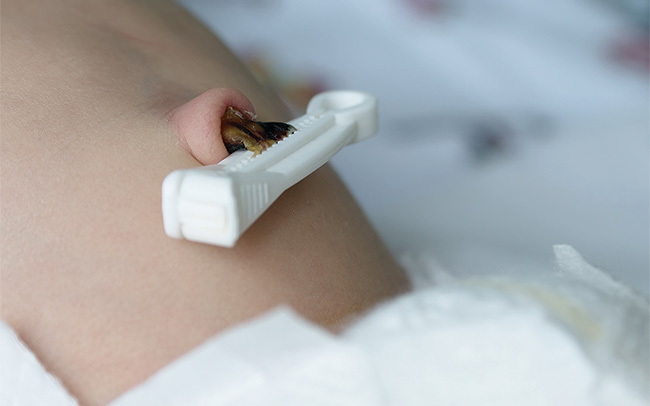 After your baby is born, their umbilical cord will be secured with a plastic clip. The cord will then take between three to ten days to dry out and drop off.
It is normal for the cord to be slightly sticky and smelly as it dries out. The area can be cleaned with plain water if necessary and dried carefully with a clean soft cloth or muslin. If you notice any bleeding from the cord or redness on your baby’s abdomen, tell your midwife, health visitor or GP.
After your baby is born, their umbilical cord will be secured with a plastic clip. The cord will then take between three to ten days to dry out and drop off.
It is normal for the cord to be slightly sticky and smelly as it dries out. The area can be cleaned with plain water if necessary and dried carefully with a clean soft cloth or muslin. If you notice any bleeding from the cord or redness on your baby’s abdomen, tell your midwife, health visitor or GP.  The following tips will help you plan how to keep your baby’s temperature within the normal range:
 All babies cry, and some cry a lot. Crying is your baby’s way of telling you they need comfort and care. Sometimes it’s easy to work out what they want, and sometimes it isn’t, so be kind to yourself.
Do remember that when you become anxious, crying babies tend to sense this and may become more distressed. So, in the initial weeks work your way systematically through the different reasons why a baby may cry.
All babies cry, and some cry a lot. Crying is your baby’s way of telling you they need comfort and care. Sometimes it’s easy to work out what they want, and sometimes it isn’t, so be kind to yourself.
Do remember that when you become anxious, crying babies tend to sense this and may become more distressed. So, in the initial weeks work your way systematically through the different reasons why a baby may cry.
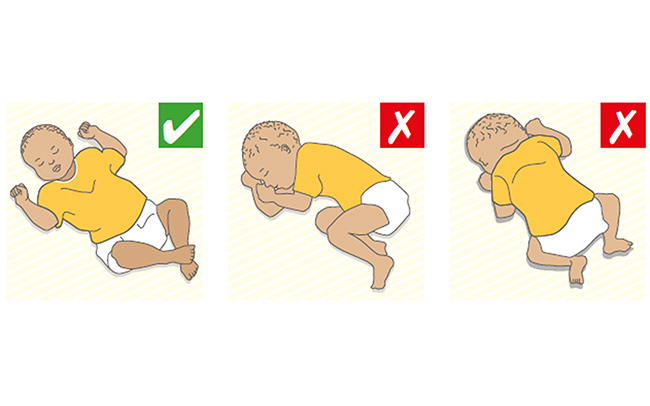 Sudden Infant Death Syndrome (SIDS) is the sudden and unexpected death of a baby where no cause is found.
This is rare but it can still happen and there are steps you can take to reduce the risk of this occurring:
Sudden Infant Death Syndrome (SIDS) is the sudden and unexpected death of a baby where no cause is found.
This is rare but it can still happen and there are steps you can take to reduce the risk of this occurring:
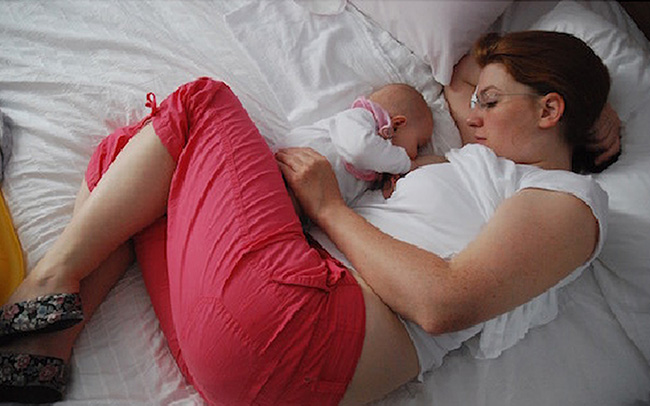 There are many things to consider when creating your baby’s sleep space to ensure it is safe. The following links provide detailed information to support your decisions about which is the right choice for your family. It is useful to think which sleep environment you intend for your baby to sleep: a flatbed pushchair, a Moses basket, a cot, or in your bed.
There are safety considerations for all of the above environments such as where to lay in the cot/bed and what bedding to use. There are times when it is not recommended that the baby be in your bed.
There are many things to consider when creating your baby’s sleep space to ensure it is safe. The following links provide detailed information to support your decisions about which is the right choice for your family. It is useful to think which sleep environment you intend for your baby to sleep: a flatbed pushchair, a Moses basket, a cot, or in your bed.
There are safety considerations for all of the above environments such as where to lay in the cot/bed and what bedding to use. There are times when it is not recommended that the baby be in your bed.
 Your baby will have his/her own pattern of waking and sleeping, and it’s unlikely to be the same as other babies you know.
Please note that newborn babies do not need a routine. However, over a course of several months you will have a routine established.
Normal sleeping patterns from nought to three months:
Your baby will have his/her own pattern of waking and sleeping, and it’s unlikely to be the same as other babies you know.
Please note that newborn babies do not need a routine. However, over a course of several months you will have a routine established.
Normal sleeping patterns from nought to three months:
 Explore this video from AIMH UK to learn more about your babies sleeping patterns.
