Spontaneous Coronary Artery Dissection (SCAD) after birth

Spontaneous Coronary Artery Dissection (SCAD) after birth

Pair of hands supporting a graphic of a heart rate trace SCAD is a rare but serious heart condition that causes a tear or bruise to develop in a coronary (heart) artery resulting in a blockage that prevents normal blood flow. It can cause heart attack, heart failure or cardiac arrest and can be fatal. SCAD can happen during pregnancy and during the weeks and months after you have given birth. Symptoms can include:
  • central chest pain
  • arm pain or numbness
  • pain in the jaw, back or shoulders
  • nausea
  • sweating/clamminess
  • breathing difficulties
Some people experience indigestion-like chest or throat pain that does not respond to indigestion remedies. If you experience some/all of these symptoms, call 111 or 999 and say you are worried about your heart.

Coronavirus breastfeeding local information

Coronavirus breastfeeding local information

Amid the current pandemic of widespread infection and difficulties in purchasing formula milks, breastfeeding has never been more important for the health and wellbeing of our babies and their mothers. Current understanding is that COVID-19 cannot be passed to your baby via breastmilk. Infection could be spread to the baby in the same way as to anyone in close contact with you. However, the benefits of breastfeeding outweigh any potential risks of transmission of the virus through breastmilk or by being in close contact with your child. Therefore guidance is that breastfeeding babies should stay with their mothers and continue to be breastfed. Practise excellent hand hygiene: washing thoroughly with soap for a minimum of 20 seconds after touching face or surfaces and before handling your baby. If you are symptomatic, then you can consider wearing a mask when handling and feeding baby. We know that breastmilk is likely to be part of baby’s best defence against the virus if they do contract it; and we know that there are currently shortages of alternative milks for baby, so we hope that this information sheet on breastfeeding support will be useful.

National support

National Breastfeeding Helpline

Tel: 0300 100 0212 (9.30am – 9.30pm, 7 days a week) National Breastfeeding Helpline

The Breastfeeding Network Drugs in Breastmilk

A service for information on medications or medical conditions and breastfeeding – factsheets written by pharmacist Dr Wendy Jones (MBE). Breastfeeding network drugs fact sheets

La Leche League Helpline

Tel: 0345 120 2918 La Leche League Helpline

NCT Helpline

Tel: 0300 330 0700

Lactation Consultants of Great Britain

An interactive map enables you to find expert and experienced International Board Certified Lactation Consultant (IBCLC) support. Many of our colleagues are using videocalls, email and phone support as a priority during the present COVID-19 situation. (NB Private IBCLC support may incur a fee.) Find an IBCLC

Online support

Breastfeeding Twins and Triplets UK

Breastfeeding Twins and Triplets UK

Breastfeeding With CMPA and Other Food Allergies

Breastfeeding With CMPA and Other Food Allergies Support Group UK

Breastfeeding Yummy Mummies

Evidence based information and support, administration by a team of qualified breastfeeding peer supporters, health visitors, midwives and IBCLC. Breastfeeding Yummy Mummies

Support in other languages

Breastfeeding support in other languages

Information sources for health professionals

UK Drugs in Lactation Advisory Service (UKDILAS)

Information around medications whilst breastfeeding

Smoking in the home

Smoking in the home

Close up of baby's hand clasping adult forefinger It may be tempting to start smoking again after the birth of your baby. However, second-hand smoke can still cause great harm to you, your family, and especially your new-born baby. Studies show that smoking during and after pregnancy can put your baby at risk of Sudden Infant Death Syndrome (SIDS). Here are some benefits of keeping your home smoke-free:
  • babies and children from smoke-free homes are less likely to get illnesses such as asthma and meningitis.
  • children that grow up in smoke-free homes are less likely to become smokers themselves.
  • you are less likely to experience accidents caused by smoking, such as fire and injuries.

Support

You are much more likely to quit for good with the help of a trained stop smoking advisor. Your midwife or GP can refer you to local smoking cessation services or you can self-refer via the NHS Smoking Helpline on 0300 123 1044. The type of stop smoking support you receive will depend on where you live and your personal preferences. Stop smoking services usually offer:
  • Weekly support either face-to-face, over the phone or online
  • Free medication or medication on prescription to help you stop smoking
All nicotine replacement therapies are safe to use during breastfeeding.

E-cigarettes

Although not risk free, e-cigarettes carry a small fraction of the risk of smoking. If using an e-cigarette or ‘vaping’ helps you stay smoke free, it is far safer for you and your baby than continuing to smoke. If you want to use an e-cigarette, you can still get free expert help from a specialist stop smoking advisor.

Pressure sores

Pressure sores

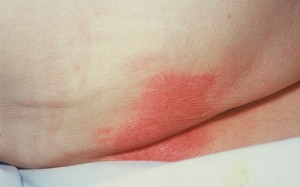
Close up of woman's back showing large areas of red skin Pressure ulcers, also known as bed sores or pressure sores, are areas of damage to the skin and deeper layers of tissue. Pressure ulcers may cause pain or become infected leading to a longer hospital stay. Pressure ulcers are caused by a combination of: Pressure: body weight and some medical equipment can squash the skin and damage the blood supply to the area. Lying or sitting in one position for a long period of time can cause this. Shearing: sliding down the bed or chair can damage the skin and deeper layers of tissue. The skin may split or break. Pressure ulcers can develop anywhere in the body but are more commonly found over boney areas such as bottom, heels, elbows, hips, ankles, spine, back of the head and shoulder blades. Usually people can relieve the effects of pressure and shearing by turning in bed and getting out of bed. You may be at risk of developing pressure ulcers if you stay in the same position for too long. Ask your healthcare professional or partner to help you move around safely. Ensure your clothing or bedding is not too tight so that you can move freely. Early signs of pressure ulcers will appear as: a change in skin colour (redder or darker), change in skin temperature (hotter or colder) discomfort or pain, blistering and skin damage. You can check your own skin for signs of pressure ulcers, if you notice anything different on your skin, please contact your healthcare professional. Whilst in hospital, your healthcare professional team will perform a risk and skin assessment to see if you are at risk of developing a pressure ulcer. After the birth, you can ask your healthcare professional to look at your skin if you feel any discomfort.

Protect your skin

  • Keep your skin clean and dry. Wash your skin every day using mild soap and warm water. Do not use heavily perfumed soap or talcum powder, as these can soak up the skin’s natural oils leading to vulnerable dry areas.
  • If you suffer from incontinence please inform your healthcare team as they can assess the best way to support you. Rubbing and massaging skin is bad for it.
  • If you are given compression stockings (TEDS) to wear, do not allow them to roll down as this can cause pressure and skin damage. Remove the stockings once a day to wash, moisturise and inspect your skin.
Ensure you continue to eat and well balanced diet and drink plenty of fluids.

Sepsis after birth

Sepsis after birth

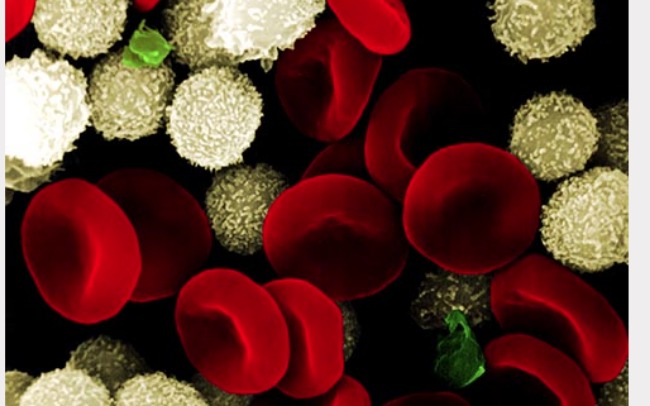
Sepsis infection particles under a microscope Infection in pregnancy and/or after your baby’s birth should never be ignored. Some infections can progress to a more serious situation known as sepsis, where the infection spreads to the blood stream and through the whole body. If left untreated sepsis can lead to shock, organ failure and death. Whilst most women do not suffer from infection or sepsis during or after pregnancy, it needs to be recognised and treated quickly if they do.

Signs of sepsis

The first signs of infection are usually a rise in your temperature, heart rate and breathing. You may also feel unwell, have chills and flu-like symptoms and a worrying pain in your tummy and/or diarrhoea. Sepsis can progress very quickly so it is important to seek advice if you are concerned about your health.

How can infection in pregnancy or after childbirth be prevented?

Good personal hygiene helps. This can include: daily showers/baths, proper hand washing and drying, perineal hygiene to include keeping the perineal area (between the vagina and back passage) clean, dry with frequent changes of maternity/sanitary pads. It is important to wash your hands before and after going to the toilet and changing maternity/sanitary pads.

When am I more likely to get an infection or sepsis?

Sepsis may happen in pregnancy or after your baby is born. The risk of getting an infection is increased in the following circumstances:
  • After having a miscarriage or an ERPC (ERPC – evacuation of retained products of conception is a surgical procedure to remove tissue from the womb)
  • Premature rupture of membranes (when your waters break long before your baby is due)
  • If your waters break more than 24 hours before your baby is born
  • If you develop a urine infection (UTI)
  • If your baby was born prematurely/early (before its due date)
  • After you have had your baby – this is the most common time for serious infection to develop; especially if you had your baby by an emergency caesarean section, by forceps or vacuum delivery, or if you had a perineal wound or an episiotomy).

When should I contact the midwife or doctor?

You should contact your GP or the maternity unit if you are worried, unwell and/or if you notice any of the following:
  • Pain/burning on passing urine or struggling to pass urine, this could be a symptom of a urinary tract infection
  • Vaginal discharge which may be foul smelling and/or an unusual colour, this could be a sign of a genital tract infection (vaginal/womb infection)
  • Abdominal pain that does not seem to be getting better with simple analgesia, this could be a sign of womb/wound infection or abscess
  • Chills, flu type symptoms or feeling faint and unwell
  • Fast breathing or shortness of breath
  • Fast heart rate
  • Persistent cough with or with sputum, shortness of breath or chest pain could be a sign of chest infection or pulmonary embolism (blood clot in the lung)
  • A wound that is not healing well, broken down or is red
  • Severe pain in one area of breast
  • Diarrhoea
  • Sudden increase in vaginal bleeding (after your baby is born).
Contact the maternity unit where you gave birth, your midwife or GP for urgent advice. For more information:

Child benefit

Child benefit

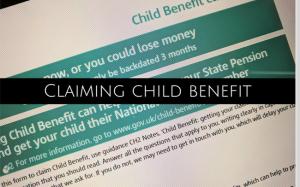
Child benefit form Child benefit is a tax-free payment that is aimed at helping parents cope with the cost of bringing up children. You get Child Benefit if you’re responsible for one or more children under 16 (or under 20 if they stay in approved education or training). There’s no limit to how many children you can claim for. Find out more and how to claim: