LMS: North Central London Local Maternity & Neonatal System

All NHS North Central London maternity services provide a birth reflections clinic where you can discuss with a midwife your experiences of birth, particularly if you have had a traumatic event during or after birth.

Some things to think about before you attend a birth reflections clinic appointment can be found below.

Write down any significant concerns (medical, emotional or other) about your experience of pregnancy, labour, birth and immediately after birth – particularly if you think it could have an effect on your long-term physical or emotional health, or the health of your baby. Share your concerns with your midwife or doctor.

North Middlesex University Hospital: There is a Birth Reflections clinic at the North Middlesex.

Information about all our specialist maternity clinics:

The Royal Free Hospital: Birth reflections and support services are available at the Royal Free:

UCLH: Birth reflections, postnatal care and support services at UCLH:

Whittington: An example of information provided for women after birth at the Whittington can be found at:

Links for birth registration in each North Central London borough can be found below:

Barnet

Barnet Register Office

Hendon Town Hall

The Burroughs

London NW4 4BG

Tel: 020 8359 6400

Barnet birth registration

Camden

Camden Register Office

Camden Town Hall, Judd Street

London WC1H 9JE

Tel: 020 7974 4444 Option 6

Camden birth registration

Enfield

Enfield Register Office

1 Gentleman’s Row

Enfield EN2 6PT

Tel: 020 8379 1000

Enfield Birth Booking Process

Haringey

Haringey registering birth

Islington

Register a Birth | Islington Council

Medications and Breastfeeding

Drugs Factsheets | The Breastfeeding Network

Breastfeeding support in North Central London:

North Middlesex

Find information about our breastfeeding café here:

Royal Free London Hospital

Whittington Hospital

Breastfeeding Support in the Community

Islington Breastfeeding Support

Tel: 020 3316 8439

Email: whh-tr.IslingtonBreastfeedingPeerSupport@nhs.net

Haringey Breastfeeding Peer Support

Website: https://www.breastfeedingnetwork.org.uk/haringey-peer-support-project/

Camden Baby Feeding Team

Tel: 07808 891260

Email: camden.babyfeedingteam@nhs.net

Website: https://www.cnwl.nhs.uk/services/community-services/camden-baby-feeding-team

Enfield Team

Email: northmid.bfreferrals@nhs.net

Website: https://www.ccenfield.org/wp-content/uploads/2022/07/Breastfeeding-Drop-in-groups-Enfield-up-dated-April-22-Flyer.pdf

The NCL maternity website provides information on birth choices and providers across North Central London:

Information about maternity services and birth choice in other areas of London can be found at: Myhealth.london.nhs.uk/maternity/now-what/what-next/

Royal Free London NHS Foundation Trust

Acacia Team:

Email: rf-tr.acaciateam@nhs.net

Borehamwood Team:

Email: rf-tr.borehamwoodteam@nhs.net

Chase Team:

Email: rf-tr.chaseteam@nhs.net

Colindale Team:

Email: rf-tr.colindaleteam@nhs.net

Edgehill Team:

Email: rf.ebc@nhs.net

Enfield Team:

Email: rf-tr.enfieldteam@nhs.net

Finchley Hill Team:

Email: rf-tr.finchleyhillteam@nhs.net

Fortune Green Team:

Email: rf-tr.fortunegreenteam@nhs.net

Golders Green Team:

Email: rf-tr.goldersgreenteam@nhs.net

Hampstead Heath Team:

Email: rf-tr.hampsteadheathteam@nhs.net

Hertsmere Team:

Email: rf-tr.hertsmereteam@nhs.net

Hendon Team:

Email: rf.hendon@nhs.net

New Southgate Team:

Email: rf-tr.newsouthgateteam@nhs.net

Totteridge Team:

Email: rf-tr.totteridgeteam@nhs.net

Unity Team:

Email: rf-tr.unity_midwife@nhs.net

North Middlesex University Hospital NHS Trust

Tel: 020 8887 3820 or

Tel: 020 8887 4230

University College London Hospital NHS Foundation Trust

Tel: 020 3447 9400, option 5 for the community midwife team. Your midwife will give you their personal contact number.

Whittington Health NHS Trust

Tel: 020 7288 3482

Core services available at all maternity units in North Central London

• birth centre

• birthing pools

• obstetric-led care

• midwife-led care

• infant feeding specialists

• consultant cover

• home birth option

• specialist diabetes clinic

• ultrasonography services

• antenatal ward

• antenatal care in the community

• birth parent education classes

• local neonatal care

• postnatal ward

• postnatal care in the community

• postnatal care at home

• perinatal mental health specialists

• private room hire

Maternity choices for women in North Central London

Royal Free London NHS Foundation Trust

North Middlesex University Hospital NHS Trust

University College London Hospital NHS Foundation Trust

UCLH has an official charity supporting patients, staff and research at University College London Hospitals (UCLH) NHS Foundation Trust. We focus on four main areas; supporting patient care, training and developing staff, environment and equipment and advancing research.

You can decide where in North Central London you want to receive your maternity care during pregnancy, birth and beyond.

Royal Free London NHS Foundation Trust

Tel: 020 7472 6446

Tel: 020 7472 6447

Tel: 020 8216 4924

www.royalfree.nhs.uk/PALS

North Middlesex University Hospital NHS Trust

Tel: 020 8887 3858

www.northmid.nhs.uk/PALS

University College London Hospitals NHS Foundation Trust

Tel: 020 3447 3042

www.uclh.nhs.uk/PALS

Our maternity website in North Central London where you can give us your feedback is: www.nclmaternity.nhs.uk

You can give feedback on the website by using the “Contact us” tab at the purple menu bar near the top of the page.

We also have links to the local service user groups, called Maternity Voices Partnership of which there are four in NCL – the link can be found at the bottom of the page in the section:

If you are a maternity service user and would like to get involved in shaping local maternity services, please visit our page: NCL Maternity Voice Partnerships .

Barnet

Parkfield Children’s Centre

44 Park Road

London NW4 3PS

Tel: 020 8200 2500

Brent

Tel: 020 8102 4900

Camden

Web: Camden Central Health Visitor Hub

Tel: 020 3317 3032

Email: camden.dutyhv@nhs.net

Gospel Oak Health Centre

5 Lismore Circus

London NW5 4QF

Hunter Street Health Centre

8 Hunter Street

London WC1N 1BN

Belsize Priory Health Centre

208 Belsize Road

London NW6 4DX

Enfield

Moorfields Health Visiting Teams

Tel: 020 3988 7300

Forest Green Health Visiting Teams

Tel: 020 3988 7300

Highlands Health Visiting Teams

Tel: 020 3988 7300

Bowes Health Visiting Teams

Tel: 020 3988 7300Information for parents whose children are under 5 | North Middlesex University Hospital

Haringey

Health Visiting (Haringey)

Tel: 020 3074 2650

Email: whh-tr.0-19@nhs.net

Hertsmere

Tel: 0300 1237572

Islington

Islington Central Health Visitor Hub

Tel: 020 3316 8008

Email: whh-tr.0-19Islington@nhs.net

North Central London Local Maternity & Neonatal System

Royal Free London NHS Foundation Trust

Email: royalfreematernityvoices@gmail.com

www.royalfree.nhs.uk/maternity-voices-at-the-royal-free-london

North Middlesex University Hospital NHS Trust

Email: northmiddlesexmvp@gmail.com

Facebook: North Middlesex Maternity Voices Partnership

University College London Hospital NHS Foundation Trust

The UCLH Maternity Voices Partnership (MVP) is a team of women and their families, commissioners and providers (midwives and doctors) working together to review and contribute to the development of local maternity care.

We have meetings six times a year and facilitate opportunities for users of the maternity service to help shape the unit to work for them and future families.

We want to ensure that every woman on the maternity pathway has a chance to have her voice heard about the service she is receiving through our MVP. We would love to have you join or just give us feedback on your experience at UCLH – let us know of good experiences that you have had an any areas that you think the trust could improve upon.

Chair: Abuk Deng

Vice Chair: Shelley Whaits

Email: uclhmaternityvoices@gmail.com

Facebook: @uclhmvp

www.uclh.nhs.uk/uclh-maternity-voices-partnership

Maternity care in North Central London

This app, originally developed by North West London Local Maternity System, has been adapted for use in North Central London Local Maternity & Neonatal System.

If you live outside of North Central London, you can still use this app’s content and develop your personal care plans. To find your nearest unit follow this link:

Talking therapy/IAPT contact details in North Central London:

Barnet – IAPT Barnet

Tel: 020 8702 5309

Email: lets-talk-barnet@nhs.net

www.lets-talk-iapt.nhs.uk

Enfield – IAPT Enfield (provided by Whittington Health)

Tel: 020 8702 4900

Email: lets-talk-enfield@nhs.net

www.lets-talk-iapt.nhs.uk

Haringey – IAPT Haringey (provided by Whittington Health)

Tel: 020 3074 2280

Email: lets.talkharingey@nhs.net

www.lets-talk-iapt.nhs.uk

Camden – iCope

Tel: 020 3317 6670

Email: cpts@candi.nhs.uk

Islington – iCope

Tel: 020 3317 7252

Email: icope.referrals@candi.nhs.uk

www.icope.nhs.uk/camden-islington

National maternal and neonatal programmes in North Central London

We have the following neonatal services in North Central London:

• 1 x level 3 neonatal intensive care unit

• 4 x level 2 high dependency units

• 5 x level 1 special care units

The Maternal and Neonatal Safety Improvement Programme (MATNEOSIP)

A programme to support improvement in the quality and safety of maternity and neonatal units across England – formerly known as the Maternal and Neonatal Health Safety Collaborative.

The programme aims to:

• improve the safety and outcomes of maternal and neonatal care by reducing unwarranted variation and provide a high quality healthcare experience for all women, babies and families across maternity and neonatal care settings in England

• contribute to the national ambition, set out in Better Births of reducing the rates of maternal and neonatal deaths, stillbirths, and brain injuries that occur during or soon after birth by 50% by 2025.

The five priorities in North Central London are:

• Increase the proportion of smoke-free pregnancies.

• Optimisation and stabilisation of the very preterm infant.

• Detection and management of diabetes in pregnancy.

• Detection and management of neonatal hypoglycaemia.

• Early recognition and management of deterioration during labour and early post-partum period.

PReCePT (Prevention of Cerebral Palsy in Preterm Labour)

The PReCePT programme aims to reduce the incidence of cerebral palsy in babies born prematurely by giving women a medication called magnesium sulphate during labour. This programme is being rolled out across North Central London and other activities include improving care, strengthening staff capability across maternal and neonatal units and supporting mothers to become more involved with their care to improve quality of life of preterm babies and their families.

Reducing the incidence of cerebral palsy by offering magnesium sulphate to all eligible women in England during preterm labour (less than 30 weeks).

For every 37 mothers who receive magnesium sulphate, we can prevent one case of cerebral palsy. It is used in at least 80% of this cohort of women across North Central London.

Regular audits of the use of magnesium sulphate are carried out across North Central London. In collaboration with UCL Partners we are undertaking regular learning and sharing events and safety culture surveys.

E1R, EC1A, EC1M, ECIN, EC1P, EC1R, EC1V, EC1Y, EC2A, EC2M, EC2N, EC2P, EC2R, EC2V, EC2Y, EC3A, EC3M, EC3N, EC3P, EC3R, EC3V, EC4A, EC4M, EC4N, EC4P, EC4R, EC4V, EC4Y, EC50, EN1, EN3, EN3, EN4, EN5, EN6, EN7, EN8, EN9, HA7, HA8, N1, N1C, N1P, N2, N3, N4, N5, N6, N7, N8, N9, N10, N11, N12, N13, N14, N15, N16, N17, N18, N19, N20, N21, N22, NW1, NW1W, NW2, NW3, NW4, NW5, NW6, NW7, NW8, NW9, NW11, W1A, W1B, W1C, W1G, W1H, W1J, W1K, W1T, W1U, W1W, W9, W15, WC1A, WC1B, WC1E, WC1H, WC1N, WC1R, WC1V, WC1X, WC2A, WC2B, WC2E, WC2H, WC2N, WC2R, WCRB, WD6,

Private maternity hospitals

You can choose to have your baby in a private hospital. Find more information about private maternity units and locate specific private maternity units here.

The Portland Hospital maternity services

The Portland Hospital

205-209 Great Portland Street

London W1W 5AH

The Portland Hospital website

Private maternity service within an NHS facility in your region

Private rooms

All hospitals in North Central London have the option of private rooms for after the birth, and these vary in cost. You can ask your midwife or doctor about this and information is provided within the directory of services.

Research is used to build new knowledge, improve current care and develop new treatments. The National Institute for Health Research Clinical Research Network (often referred to as CRN) provide the infrastructure that allows high-quality clinical research to take place in the NHS.

The Women’s Health department at UCLH are committed to improving outcomes for women and babies by improving care, diagnosis and treatment within obstetrics and gynaecology. A small team of research midwives and nurses work on an extensive portfolio of CRN funded research studies that cover specialised areas including maternity, gynaecology, neonatal care, fertility, genetics, miscarriage, urogynaecology and cancer.

UCLH is a large teaching hospital and has many research projects underway at any one time. Whilst under our care you are likely to be invited to participate in a research project by healthcare professionals. This may be one of our consultants, nurses or midwives.

Alternatively, if you are interested in volunteering for any of our studies or just would like to have some more information please contact us:

E-mail: UCLH.researchmidwives@nhs.net

Tel: 020 3447 6164

Mobile: 07971 134613

In the unlikely event you encounter any problems or have any concerns about any of our research activity, please contact:

Yaa Acheampong, Research Manager

Email: y.acheampong@nhs.net

For support with quitting smoking, please discuss with your maternity team in North Central London who can refer you to the specialist smoking cessation midwife and service locally which are located at:

Elizabeth Garret Anderson unit at University College London Hospitals (UCLH), Camden

Barnet Hospital, Barnet

Royal Free, Hampstead

North Middlesex Hospital, Edmonton

Whittington Hospital, Archway

For support with quitting smoking, please discuss with your maternity team in North Central London who can refer you to the specialist smoking cessation midwife and service locally which are located at:

Elizabeth Garret Anderson unit at University College London Hospitals (UCLH), Camden

Barnet Hospital, Barnet

Royal Free, Hampstead

North Middlesex Hospital, Edmonton

Whittington Hospital, Archway

Talking therapy services or IAPT services are offered throughout North Central London, and in every London borough, providing support to those experiencing symptoms of anxiety or depression. Priority is given to pregnant women and new parents. You can either self-refer over the phone or online, or ask your midwife or GP to do it for you. The service is free and aims to be flexible around your needs.

Talking therapy/IAPT contact details in North Central London:

Barnet – IAPT Barnet

Tel: 020 8702 5309

Email: lets-talk-barnet@nhs.net

www.lets-talk-iapt.nhs.uk

Enfield – IAPT Enfield (provided by Whittington Health)

Tel: 020 8702 4900

Email: lets-talk-enfield@nhs.net

www.lets-talk-iapt.nhs.uk

Haringey – IAPT Haringey (provided by Whittington Health)

Tel: 020 3074 2280

Email: lets.talkharingey@nhs.net

www.lets-talk-iapt.nhs.uk

Camden – iCope

Tel: 020 3317 6670

Email: cpts@candi.nhs.uk

Islington – iCope

Tel: 020 3317 7252

Email: icope.referrals@candi.nhs.uk

www.icope.nhs.uk/camden-islington

Our vision statement

Better Births, Improving Outcomes of Maternity Services in England (2016) set out a vision for maternity services across England to deliver safer, personalised care for women with maternity staff supported to deliver care which is women centred, in cultures which promote innovation, continuous learning, and break down organisational and professional boundaries. North Central London was an ‘early adopter’ of the national maternity transformation plan ‘Better Births’ and had an ambitious transformation plan which sought to improve the safety, personalisation and quality of care.

Royal Free London NHS Foundation Trust

www.royalfree.nhs.uk/volunteer-at-the-royal-free-london

North Middlesex University Hospital NHS Trust

www.northmid.nhs.uk/volunteer-with-us

University College London Hospital NHS Foundation Trust

www.uclh.nhs.uk/work-with-us/volunteeringIf you are interested in joining our youth volunteering team:Youth Volunteering at UCLH

Breastfeeding Support in the Community

Islington Breastfeeding Support

Tel: 020 3316 8439

Email: whh-tr.IslingtonBreastfeedingPeerSupport@nhs.net

Haringey Breastfeeding Peer Support

Website: https://www.breastfeedingnetwork.org.uk/haringey-peer-support-project/

Camden Baby Feeding Team

Tel: 07808 891260

Email: camden.babyfeedingteam@nhs.net

Website: https://www.cnwl.nhs.uk/services/community-services/camden-baby-feeding-team

Enfield Team

Email: northmid.bfreferrals@nhs.net

Enfield Breastfeeding Drop-in Groups

Tommy’s provide excellent information and resources if you feel that your baby is not moving as you would expect. Follow this link and see the related links below it:
Tommy’s pregnancy symptom checker

undefined

Midwife

You will meet several midwives throughout your pregnancy, birth and beyond. Midwives are the main caregiver when your pregnancy and birth are straight forward. In North West London we are working hard to ensure each woman has a named midwife who is responsible for coordinating your maternity care.

Obstetrician

These are doctors who specialise in caring for women during pregnancy, birth and in the period immediately after birth (whilst in the maternity unit). You may see an obstetrician during pregnancy if you have any issues which require review or more specialised management and they will be involved if you have a caesarean or assisted birth.

Paediatrician/Neonatalogist(baby doctor)

Paediatricians or neonatologists are doctors specialising in the care of newborn babies and children. They will be involved in your care if early (premature) delivery is anticipated or if there are likely to be concerns about the health of your baby during or after the birth.

Sonographer

These are professionals who undertake your ultrasound scans. They are specially trained to undertake scans during pregnancy.

Maternity support worker

You may meet maternity support workers during pregnancy, birth or beyond. They support the maternity team and provide some of your care throughout the journey.

Student midwife

Maternity units in North West London work closely with local universities to support midwives and doctors in training. These students will work alongside their midwife ‘mentor’ and will ask for your consent before providing you with any care.

Health visitor

Health visitors work in teams. They work closely with the other professionals listed above, including GPs and organisations that support families where you live. Most families in England will be offered several review contacts and additional support depending on the individual needs of your family.The health promoting visit at 28 weeks of pregnancy is the first time that the health visitor meets parents. A health needs assessment will be agreed, covering physical, mental and emotional health and wellbeing. The health visitor will also discuss a number of issues, including transition to parenthood, how to enhance the parent-child bonding experience and how parents can help their baby’s early development.

Other staff members

You may meet other members of staff or medical students, depending on your pregnancy needs and where you choose to have your care.

Our objective

Within North Central London our objective for maternity services is to fully meet the requirements of the Better Births recommendations, ensuring safe care and an improved experience for women and their families throughout their maternity pathway.

{‘hospitals’:[{‘slug’:’hospital-barnet-hospital’,’name’:”Barnet Hospital”,’imageurl’:’https://admin.mumandbaby.uk/wp-content/uploads/2022/01/Barnet-Hospital.jpg’,’id’:0,’coordinate’: {‘latitude’:51.65099,’longitude’:-0.21369}},{‘slug’:’hospital-edgware-birth-centre’,’name’:”Edgware Birth Centre”,’imageurl’:’https://admin.mumandbaby.uk/wp-content/uploads/2022/01/Edgware-Birth-Centre-1.jpg’,’id’:1,’coordinate’: {‘latitude’:51.60607,’longitude’:-0.27161}},{‘slug’:’hospital-north-middlesex-university-hospital’,’name’:”North Middlesex University Hospital”,’imageurl’:’https://admin.mumandbaby.uk/wp-content/uploads/2022/01/TB-_NMU.jpg’,’id’:2,’coordinate’: {‘latitude’:51.61371,’longitude’: -0.07281}},{‘slug’:’hospital-the-royal-free-hospital’,’name’:”The Royal Free Hospital”,’imageurl’:’https://admin.mumandbaby.uk/wp-content/uploads/2021/09/Royal-Free-Hospital.jpg’,’id’:3,’coordinate’: {‘latitude’:51.55314,’longitude’:-0.16538}},{‘slug’:’hospital-university-college-hospital’,’name’:”University College London Hospital”,’imageurl’:’https://admin.mumandbaby.uk/wp-content/uploads/2021/09/UCLH-Entrance-1-1.jpg’,’id’:4,’coordinate’: {‘latitude’:51.52519,’longitude’:-0.13644}},{‘slug’:’hospital-whittington-health-maternity-service’,’name’:”Whittington Health Maternity Service”,’imageurl’:’https://admin.mumandbaby.uk/wp-content/uploads/2022/01/WH_Magdala_Ave_Entrance_.jpg’,’id’:5,’coordinate’: {‘latitude’:51.56680,’longitude’:-0.13974}}]}

Systemic Lupus Erythematosus (SLE): Frequently asked questions

Systemic Lupus Erythematosus (SLE): Frequently asked questions

Most people with Lupus can safely get pregnant and with appropriate support and care can have normal pregnancies and healthy babies. However, pregnancy with SLE carries a higher risk to mother and baby compared with pregnancy in women with no medical concerns. For this reason, your maternity team will consider such pregnancy as ‘high risk” to ensure that care is appropriate for your clinical condition and involves several healthcare professionals. We recommend that you access the BUMPS website (Best Use of Medicines in Pregnancy), for information and advice relating to medications taken prior to and during pregnancy. It is important not to stop any medication before checking with your doctor as this may be harmful to you or your baby.

What does this mean for my pregnancy?

For me:

In general, pregnancy does not cause flares (worsening) of SLE, but higher risk of flares is noted in women who have had flares within the six months prior to pregnancy, have had very active disease, or if SLE treatment has been stopped. If flares happen, they often occur during first or second trimester of pregnancy or in the first few months after the birth. It is vital to report flares promptly as they increase the risk of complications. Complications can include pre-eclampsia, blood clot in deep veins or lung, severe infection, and stroke.

For my baby

SLE in pregnancy increases the risk of miscarriage, preterm birth, slower growth in the womb (intrauterine growth restriction) and stillbirth, compared to a woman with no medical concerns. Factors such as previous miscarriage, antiphospholipid syndrome, active Lupus before or during pregnancy, kidney disease and pre-eclampsia increase this risk. Your blood tests will include checking your antibodies status for anti-Ro and anti-La antibodies. If these are present, there is a small chance these antibodies may cross the placenta and therefore could affect the baby causing a 2% risk of congenital heart block and 5% risk of cutaneous neonatal lupus (where certain antibodies cross from mother to baby). However, having neonatal Lupus does not appear to increase the chance of your baby developing SLE in adult life.

What will the medical team recommend?

The aim will be to personalise the care to you and your clinical condition. You will be seen more frequently in a specialist consultant-led maternal medicine antenatal clinic and offered regular scans to monitor baby’s growth, alongside the care provided by your midwifery team. If you have Ro and La antibodies, the team will organise a specialist heart scan for your baby (echocardiogram). You will be advised to take 75mg of aspirin each night from 12 weeks until 36 weeks to reduce your risk of pre-eclampsia. You may require calcium supplementation. Since there is an increased risk of developing a blood clot (thrombosis) you may be advised to take additional medication such as blood-thinning injections. Other medical treatment will be tailored according to your disease severity and will be discussed in detail by your clinical team.

What tests will/may be considered? How often may they be needed?

At the start of pregnancy, baseline blood tests will also include kidney and liver function tests, antibody tests like anti-Ro and La antibodies, if these haven’t been done previously, and other disease relevant tests. Urine will be tested for protein. Based on your past medical history, other tests like echocardiogram, lung function test may be considered. If you are at risk of Vitamin D deficiency, these levels will be also be checked. Throughout the pregnancy, your blood pressure, urine protein levels and blood results will be closely monitored. More frequent blood pressure and urine checks will happen if you have hypertension, pre-eclampsia and/ or renal disease.

What symptoms and signs should I be looking out for?

Differentiating between pregnancy-related symptoms and those of SLE can be difficult. You may notice a range of changes throughout pregnancy that may be unrelated to your SLE, but it is important to mention any symptoms that are worrying you. You must try and avoid triggers that you may know can set off your flare ups.

What are the symptoms/concerns, which mean that they should be reported immediately?

Flares of SLE is when your symptoms worsen and make you feel unwell. Often, this involves symptoms you have noticed previously, and some people may also develop new symptoms. Common symptoms that indicate a flare include raised body temperature not due to an infection, painful and swollen joints, increase in tiredness, rashes, ulcers in your mouth or nose and increased swelling of your legs. You should also immediately report symptoms like shortness of breath, chest pain, heart palpitations, painful swollen calf, feeling unwell; severe headache, seeing flashing lights or experiencing pain in upper tummy, contractions, vaginal bleeding, rupture of membranes or reduced baby movements.

How are recommendations made regarding my care?

Treatment options

There are overarching guiding principles on the use of medications during pregnancy and breast feeding. Based on the individual clinical condition medications will vary. In general, SLE medications that are safe in pregnancy, during breast feeding and required to maintain remission and/or treat flares include hydrochloroquine, azathioprine, cyclosporine and tacrolimus. Aspirin and paracetamol are safe in pregnancy. Corticosteroids are safe to control active disease. Medications to control high blood pressure may become necessary.

Timing of birth

People with SLE are more likely to have a preterm birth, that is birth before 37 weeks. The risk is particularly increased in the presence of active Lupus, kidney disease, hypertension and pre-eclampsia. Birth may start spontaneously or may be induced due to concerns relating to your or your baby’s health. Your team will discuss the timing of birth with you, considering your and your baby’s health.

How may this impact my birth choices?

For most people with SLE vaginal birth should be possible, but choices will be influenced by how this pregnancy progresses, your previous births and other possible concerns. Discuss your personal birth preferences with the team.

How may this affect care after the birth?

Your team should make a care plan with you relating to your and your baby’s care after the birth. You will be given guidance on medications that need to continue and will be safe to take whilst breastfeeding. There is an increased risk of SLE flare after the birth and you must report these immediately so that the medications can be adjusted. You will require blood thinning medications as the risk of blood clots increases significantly after the birth. These may need to continue for up to six weeks after the birth.

What will this mean for future pregnancies?

It is important to plan all future pregnancies to improve your chances of a successful pregnancy. It is advisable to wait a year before trying for another baby and to conceive when your SLE has been inactive for at least six months on treatment. You must see your doctor, three to six months before you plan to start trying for a pregnancy to enable a full health assessment and medication plan. Use contraceptives till you are ready to try for another pregnancy.

Crohn’s Disease, Ulcerative Colitis and Inflammatory Bowel Disease (IBD): Frequently asked questions

Ulcerative Colitis and Inflammatory Bowel Disease (IBD): Frequently asked questions

How is the diagnosis made? This was made before pregnancy. All women with IBD, Crohn’s Disease or Ulcerative Colitis should receive preconception counselling to optimise their health before pregnancy.

What does this mean?

For me:

You are at risk of preterm delivery and developing flares (worsening) of your symptoms. You may need to attend more hospital visits during pregnancy. You are at higher risk developing of pre-eclampsia.

For my baby:

Your baby is at risk of preterm delivery.

What will the medical team recommend?

You will be seen more frequently in a specialist consultant-led maternal medicine antenatal clinic.

What tests will/may be considered? How often may they be needed?

You may need further tests if your symptoms worsen.

What symptoms and signs should I be looking out for?

Abdominal pain, blood and/or mucus in your stool or increased frequency of passing stool (poo).

What are the ‘red flag’ symptoms/concerns, which means that they should be reported immediately?

If you have a worsening (flare) of your symptoms.

How are recommendations made regarding treatment options?

Most of the drugs used are safe during pregnancy. You may be on special medication (known as a biologic) for your condition. If you require these during the third trimester of pregnancy you will need to delay giving your baby live vaccines, this includes the BCG and rota virus until six months after birth. Be sure to discuss this with your medical team after the birth of your baby.

How are recommendations made regarding timing of birth?

By 36 weeks your team should be working with you to plan your delivery.

How may this impact my birth choices?

If you have had previous operation for your condition you may need to birth your baby by caesarean-section.

How may this affect care after the birth?

A birth plan prior to delivery should have been agreed to ensure you are on medication that are safe to use during breastfeeding. Your medication may need to be increased or changed if your symptoms worsen after birth.

What will this mean for future pregnancies? How can I reduce my risk of this happening again?

Optimise your health and your symptoms between pregnancies. What will this mean for future/ my long-term health and how can I influence this? Contraception and a follow up plan should be made to optimise your health for future pregnancies.

Intrahepatic Cholestasis of Pregnancy (OC): Frequently asked questions

Intrahepatic Cholestasis of Pregnancy (OC): Frequently asked questions

How is the diagnosis made?

If you have itching without a rash in your pregnancy, then you will have blood tests including a liver function and bile acid level. Raised bile acids will confirm the diagnosis of Intrahepatic Cholestasis of Pregnancy (ICP) which is also known as Obstetric Cholestasis (OC).

What does this mean?

For me

You may have severe itching, often starting on the hands and feet but can affect anywhere on your body. Your doctor can give you medication to calm the itching sensation but it will not disappear until you have given birth.

For my baby

If the bile acids are very high (greater than 100) then there is an increased risk of the baby passing away whilst in the womb, so it is really important that the level of bile acids are monitored every week once the diagnosis is made or as long as you have itching.

What will the medical team recommend?

Your medical team will recommend weekly blood tests at least weekly whilst you have symptoms of itching, and once you have a diagnosis of ICP.

What tests will/may be considered? How often may they be needed?

Blood tests for your liver function and the concentration of bile acids in your blood will be checked regularly.

What symptoms and signs should I be looking out for?

Itching in pregnancy without a rash, particularly if it occurs on the palms of your hands or the soles of your feet.

What are the ‘red flag’ symptoms/concerns, which means that they should be reported immediately?

If your baby isn’t moving like normal, then you should be seen at the hospital immediately.

Likely recomendations

Treatment options

If your bile acids are more than 40 mmol/L, then your doctor may recommend treatment with ursodeoxycholic acid or, in severe cases, other medication such as rifampicin. Your itching can be treated with antihistamine tablets and menthol skin creams. Your medical team will provide a prescription if these medications are recommended to you.

Timing of birth

This will depend on the level of your bile acids but would normally be after 38 weeks if the bile acids are less than 100 mmol/L, and around 36 weeks if your Bile Acids are 100 mmol/L or higher.

How may this affect my birth choices?

Continuous monitoring of your baby’s heartbeat in labour will be recommended whether you labour starts naturally or you are are induced, this is because ICP can affect your baby’s heart function.

How may this affect care after the birth?

If you have had abnormal liver function, you will need to see your GP to retest your liver function levels to ensure they have returned to normal. Your baby will be reviewed by a baby doctor after birth to ensure all is well.

What will this mean for future pregnancies? How can I reduce my risk of this happening again?

There is around 50% chance of having ICP in a subsequent pregnancy so you will be asked to keep a close eye out for symptoms of itching and your doctor may arrange some extra blood tests as part of your monitoring in pregnancy.

What will this mean for future/my long-term health and how can I influence this?

ICP does not cause long term health problems but caution is recommended before taking the combined oral contraceptive pill. There is a strong genetic link so you may want to warn your sisters and daughters as they may also be at risk of having this condition in pregnancy.

Pre-eclampsia during pregnancy: Frequently asked questions

Pre-eclampsia during pregnancy: Frequently asked questions

How is the diagnosis made?

Pre-eclampsia is a condition that only occurs in pregnancy and usually after 20 weeks. It causes high blood pressure (or makes existing high blood pressure worse) and leaky kidneys with protein in the urine. The diagnosis is made based on symptoms you may experience, blood tests and urine tests.

What does this mean?

For me

The only cure for pre-eclampsia is giving birth to your baby (and placenta) but the timing of birth needs to be balanced with how unwell you and/or you baby are and what early birth would mean for your baby. You may experience headaches, blurred vision, vomiting, swelling of your hands and face or feel generally unwell. At worst, pre-eclampsia can cause kidney or liver failure, blood clotting problems and seizures.

For my baby

Pre-eclampsia affects the way the placenta works and can cause babies not to grow well in the womb and need to be born early. Babies born early may need to spend time on the Neonatal Unit to help them with breathing, feeding and temperature control. Sadly, some babies don’t survive in the womb because of pre-eclampsia.

What will the medical team recommend?

Your medical team will recommend regular checks and occasionally admission to hospital for very close monitoring. You will have regular blood tests to check your kidneys, liver and blood and your blood pressure will be monitored regularly. Extra scans of your baby will be recommended to check that they are growing well in the womb. If you develop pre-eclampsia before 37 weeks of pregnancy, then you may give birth earlier or be recommended to have labour induced at 37 weeks. If you develop pre-eclampsia after 37 weeks, induction of labour will be recommended straight away. This may be a difficult time for you and your family so it is important to have regular and open conversations with your medical team.

What tests will/may be considered? How often may they be needed?

The amount of protein in your urine will be tested alongside tests of your blood, kidney and liver function. The blood test called Placental Growth Factor that shows how well the placenta is working and helps doctors and midwives make the diagnosis of pre-eclampsia before 37 weeks.

What symptoms and signs should I be looking out for?

Headaches,swelling in your hands and face, blurred vision, pain in your tummy, vomiting, or your baby moving less than is normal.

What are the ‘red flag’ symptoms/concerns, which should be reported immediately?

If your baby isn’t moving as normal, then you should be seen at the hospital immediately. If you have any of the symptoms of pre-eclampsia listed above then you should contact your maternity unit immediately.

Likely recommendations

Treatment options

Tablet treatment for your blood pressure will be recommended if your blood pressure reading is more than or equal to 140/90 mmHg The tablets most commonly used are:
  • Labetalol
  • Nifedipine
  • Methyldopa

Timing of birth

This will depend on how well you and your baby are in the pregnancy. From 37 weeks, induction of labour will be recommended as the risks of remaining pregnant for you and your baby are higher than if you give birth after this time.

How may this affect my birth choices?

Continuous monitoring of your baby’s heart beat in labour will be recommended whether you labour spontaneously or are induced, this is because the placenta may be working less well and we would not want to miss changes in the heart rate that would indicate the baby is not coping well with labour. This is available in hospital on the labour ward.

How may this affect care after the birth?

  • You will need to have your blood pressure checked very regularly and stay in the hospital for at least 24 hours after you give birth
  • Any blood pressure treatment will be switched to those suitable for breastfeeding (enalapril or amlodipine)
  • You may need to have magnesium and restrict how much fluid you drink
  • You will need to see your GP for ongoing monitoring of your blood pressure and treatment after the birth

What will this mean for future pregnancies? How can I reduce my risk of this happening again?

High blood pressure can be reduced through diet and exercise if you are overweight or inactive. You will be advised to take aspirin in future pregnancies to reduce the risk of developing pre-eclampsia again as aspirin helps the placenta work well.

What will this mean for future/my long-term health and how can I influence this?

Pre-eclampsia increases your lifetime risk of high blood pressure four times compared to women who don’t have pre-eclampsia in their pregnancies. Your risk of high blood pressure and heart disease can be reduced by eating healthily, especially by reducing your salt intake and exercising regularly. Your risk of heart disease can also be reduced by taking your blood pressure treatment to control your blood pressure and your GP will tell you how low they would like your blood pressure to be on treatment.

Epilepsy: Frequently asked questions

Epilepsy: Frequently asked questions

How is the diagnosis made?

You were probably diagnosed with epilepsy before you became pregnant. This condition causes seizures and these can affect the whole body with shaking and tongue biting or only affect particular parts of the body such as losing awareness and staring into space. Ideally you will have been offered pre-conception counselling to optimise your health before pregnancy.

What does this mean?

For Me

Pregnancy can lower the threshold for seizures to occur so it is important that you have care under an obstetrician specialising in medical conditions and a neurologist. You will be asked to take 5mg folic acid (ideally for three months prior to your pregnancy) to reduce the risk of disorders like spina bifida for the baby and you might need to increase your medication during pregnancy or take extra medications around the time of the birth.

For my baby

The medication called sodium valproate should not be taken in pregnancy but the other commonly used anti-epilepsy drugs are all safe to be used in pregnancy. It is really important that your epilepsy is treated effectively as frequent seizures in pregnancy can affect the baby’s growth.

What will the medical team recommend?

You may need extra blood tests to check the level of your anti-epileptic drug in your blood and to ensure you don’t need more. You will be recommended to take 5mg of folic acid to reduce the chances of your baby having a spine abnormality. You may be offered extra scans to check your baby’s growth.

What are the ‘red flag’ symptoms/concerns, which means that they should be reported immediately?

You must tell your medical team immediately if you have any seizures in your pregnancy so that they can ensure you are on the right level of treatment and organise tests to check your baby’s wellbeing.

Your partner and close family should be shown how to place you in a recovery position if you have a seizure.

The risk of seizures is greatest around the time of the birth and in the first 24 hours after the birth.

Likely recommendations

Treatment options

It is normally recommended that you stay on the same medication that you are on at the beginning of your pregnancy (but not sodium valproate) but you may need to increase the dose or add in other medication to control your epilepsy in your pregnancy. This is particularly important around the time you give birth when your sleep may be disrupted which can also increase the chance of having seizures.

Timing of birth

Normally the timing of birth is not affected by your epilepsy. Your medical team may recommend having an epidural for pain relief in your labour so that you can rest and reduce your risk of becoming excessively tired.

How may this impact my birth choices?

It is likely your team will recommend you give birth in the hospital and in a birth setting where doctors are readily available, such as the labour ward, in case you have a seizure during or immediately after your labour. It is recommended not to labour in water in case you have a seizure.

How may this affect care after the birth?

It is really important that you follow normal epilepsy advice such as taking showers instead of baths. Additionally, you will be advised not to change your baby’s nappy on a high surface but to use a change mat on the floor. There are lots of other helpful tips available from the links below.

Antibiotics for newborn baby

Antibiotics for newborn baby

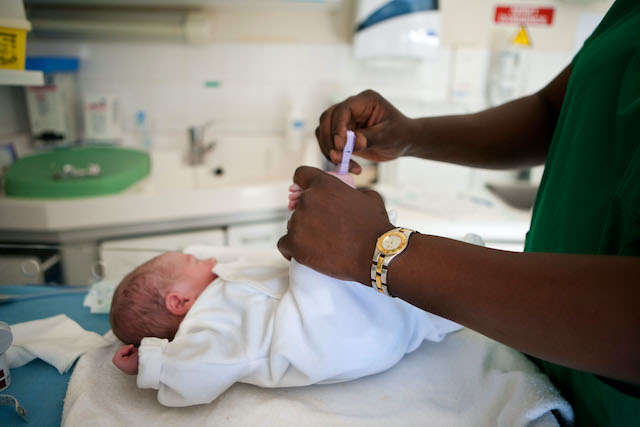
Glycemia test being performed on newborn baby

Known risk of an infection

If you received antibiotics in labour only because of the known risk of GBS infection, this will be stopped at the time of the birth. For 12-24 hours after the birth, your team will monitor you and the baby for anything concerning, including signs of infection. The monitoring aims to identify early warning symptoms and signs. For the baby, this will include overall assessment and regular measurement of heart rate, respiratory rate, colour, temperature and feeding. The baby will stay with their mothers on the postnatal ward.

Signs of a possible infection

At birth, a baby doctor will review your baby’s risk of infection based on factors including your own signs infection, the course of your labour and an assessment of your baby. Your baby will be observed closely and have regular measurement of heart rate, respiratory rate, colour, temperature and feeding for at least 12 hours. Depending on the risk of infection, your baby may need to have some blood tests to look for infection and be started on antibiotics. In this case, the neonatal doctors will put a tiny cannula in your baby’s hand or foot so that they can take some blood to test and give the antibiotics directly into a vein (intravenous). If antibiotics are required, your baby will receive these twice a day through the cannula and the ward staff will continue to monitor your baby closely as before. Your baby can stay with you on the postnatal ward during this time. Should there be further concerns your baby may need to be admitted to the neonatal unit to enable close monitoring, further tests and necessary treatment. You’ll be able to visit your baby in the neonatal unit.

Why does my baby need antibiotics?

Antibiotics are started in babies assessed as being at significantly increased risk of infection. This is because infection in babies can be very serious if left untreated and even if your baby looks very well, they can become sick very quickly. The good news is that antibiotics can help keep your baby well. The antibiotics must be given directly into their blood stream as babies are not able to absorb sufficient amount of antibiotics from their gut. You will be able to breastfeed your baby and the ward staff will support your feeding choices. We want you to know that there are normally no side effects or allergic reactions with use of antibiotics in newborn babies. If you are unsure why your baby needs antibiotics, please ask the medical team to explain this to you. Whilst you will have to be careful with the cannula when holding your baby, you will be able to do skin-to-skin and breast feed your baby.

What tests will my baby have?

If your baby requires investigation for infection, a number of blood tests will be performed, including:
  • 1) CRP (C-reactive protein), which is produced by our bodies in response to an infection or inflammation. A high CRP can indicate the presence of an infection in the body.
  • 2) Blood cultures to identify if any bacteria are growing in the blood. This result may be available within 36-48 hours of the test.
After 18-24 hours from birth, the CRP test will usually be repeated by collecting a small amount of blood from a heel prick. If at any stage your baby’s health or any of the results are a concern, they may need more tests like a chest x-ray and/or a lumbar puncture to work out the site of infection and will require a longer course of antibiotics. The neonatal doctors will discuss this with you.

How long will my baby need antibiotics?

The length of time your baby needs antibiotics will depend on how your baby is doing and what the results show. If your baby remains well, the CRP is not high and the blood cultures do not grow any bacteria, the antibiotics can usually be stopped after 36-48 hours. A longer course of antibiotics may be indicated should there be any concerns.

When can we go home?

At the time of birth, it is difficult to know when you and your baby will be able to go home. After 36-48 hours, the doctors will have a better idea of the duration of treatment required. Your team will continue to review you and your baby on the ward daily until they feel sure that you are both well enough to go home. On discharge from the hospital, you will receive written information about the medical treatment delivered on the ward. You can share this with your community midwife and health visitor. Your GP will be sent this information.

Guidance for next pregnancy if you or your baby was identified as having GBS

If you become pregnant again, please inform the maternity care team looking after you that about the positive GBS result, so that they can offer antibiotics in labour to reduce the risk of early onset GBS infection in the baby.

What should I do if I have worries?

Ongoing maternity care is provided by community midwife, who are local to where you will be based after discharge from the hospital. The community midwife will make contact with you within 24-48 hours of being at home. They will support you and your baby’s care. Should you have any urgent concerns regarding the health of you or your baby, please seek medical advice from your GP, NHS 111, 999 or attend your local Accident and Emergency department. For baby, these concerns may include baby showing abnormal behavior (for example, inconsolable crying or listlessness), being unusually floppy, has an abnormal temperature unexplained by environmental factors (lower than 36 or higher than 38 Degree centigrade), abnormal breathing (rapid breathing, difficulty in breathing or grunting) or change in skin colour (for example baby becomes very pale, blue/grey or dark yellow) or has developed new difficulties with feeding.

Antibiotics in labour

Antibiotics in labour

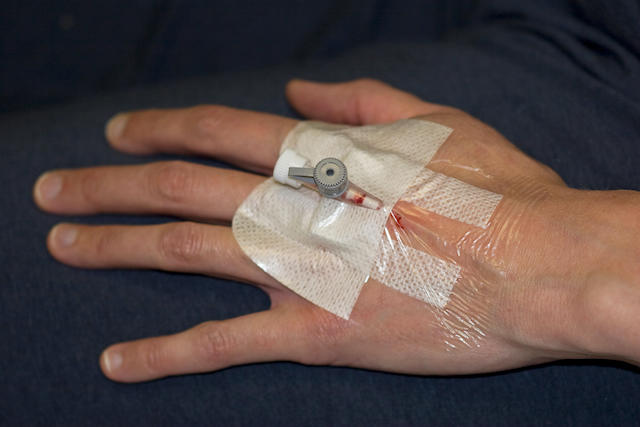
Cannula in back of hand There are two reasons why you might be given antibiotics during labour:

1) Known risk of an infection

Antibiotics in labour will be recommended if there is an increased risk of infection to the baby by bacterium called Group B Streptococcus (GBS). This could be indicated in labour if:
  • a) results in your current or previous pregnancy have detected GBS in vaginal or urine testing; or
  • b) labour starts prior to 37 weeks and is associated with rupture of membranes prior to the onset of labour.
The team will check your allergies and available results to determine which antibiotics to give you until your baby is born. When antibiotics are administered for this indication only, you will be able to walk around in labour.

2) Signs of a possible infection

Infection in labour may be suspected based on symptoms like fever, or signs like a higher than expected heart rate in you or baby in the womb. Infection can occur in any part of your body. If we can’t identify where the infection is, we work on the assumption that it could be in the womb, and this may be difficult to confirm until at least a few days later. Untreated infection can sometimes spread to the blood and if not treated it may have serious consequences. Given the risk that an infection may pose, the medical team will undertake a detailed assessment of you and your baby. They will conduct a range of tests on you to help establish the type of infection. This will include blood tests, urine tests and vaginal swabs. The tests include full blood count, C-reactive protein (CRP), blood/urinary/vaginal culture and sensitivity. The team will recommend starting antibiotics through a cannula (a very fine, flexible plastic tube) directly into your vein. You will need to be monitored closely and this will involve continuous monitoring of you and the baby, which may limit you from walking around in labour. We will continue to support your birth preferences as best as possible and discuss all options and recommendations so that you can make informed choices about your care. We will help you adopt positions that are comfortable for you and that are known to support vaginal births. Some of the blood results will be available within a few hours and some tests (microbiological cultures and sensitivity) may take up to 3 days. Your team will continue to monitor you and your baby closely through your labour and will keep you informed of their findings and recommendations. You are encouraged to ask any questions or share concerns you may have.

What will happen after the birth?

1) Known risk of an infection

If you received antibiotics in labour only because of the known risk of GBS infection, this will be stopped at the time of the birth. For 12-24 hours after the birth, your team will monitor you and the baby for anything concerning, including signs of infection. The monitoring aims to identify early warning symptoms and signs. For the baby, this will include overall assessment and regular measurement of heart rate, respiratory rate, colour, temperature and feeding. The baby will stay with their mothers on the postnatal ward.

2) Signs of a possible infection

Your antibiotics will be continued through the cannula until your temperature has been normal for at least 24 hours after the birth, you feel well and the infection results indicate an improvement. Based on your recovery and test results, you may need to continue the antibiotic course as tablets. The total duration of antibiotics can vary but they will be safe to take if you are breastfeeding. If you have a urinary infection, you will need to repeat a urine test (culture and sensitivity) a week after you complete your antibiotics course to make sure the infection has been treated fully.

Vaginal birth after caesarean (VBAC)

Vaginal birth after caesarean (VBAC)

Woman showing a cesarean section scar on her belly

What is VBAC?

VBAC stands for ‘vaginal birth after caesarean’. This term is used when women give birth or plan to give birth vaginally after previous caesarean birth. Vaginal birth includes normal delivery and delivery assisted by forceps or vacuum cup (ventouse).

What choices do you have in managing your pregnancy pathway?

Women who have had a caesarean birth before will have a consultation during the course of pregnancy with either a consultant obstetrician or consultant midwife or designated deputy to discuss individual risks and options. Women can choose either VBAC or planned elective caesarean, an operation to deliver the baby after 39 weeks of pregnancy. The plan will be reviewed with you throughout pregnancy. You can change your mind and you should discuss any questions with your midwife or obstetrician. In case of any emergency please call your local maternity unit.

Are all women suitable for VBAC?

Not all women are recommended for VBAC. In your first/subsequent pregnancy after an LSCS you may have been given a letter which explains your options. At the consultation the obstetric doctor or specialist midwife will discuss your options with you, and review your previous notes, if available. An individualised plan will be agreed with you that will be reviewed throughout your pregnancy.

VBAC facts

More than one in five women in the UK may have experienced birth by LSCS. Around half of these are planned and the other half as an emergency. VBAC is generally only offered to women with a singleton pregnancy with the baby in the head down position, who have had a lower segment caesarean section (LSCS). Chances of success are approximately 72-75%. A number of factors affect the success rate of VBAC. These include maternal weight, your health, and whether your labour starts spontaneously. Women who have an interval of less than a year from a previous LSCS are not at greater risk of scar rupture, but are more at risk of having a preterm birth. It is generally advised that there should be at least a year between births. Women who have had two or more caesarean births can be offered the opportunity for VBAC after counselling. Success rates are similar (62-75%). If you have had a successful VBAC previously you have an 85-90% chance of successful VBAC the next time.

What are the risks associated with VBAC?

There is a 1:200 (0.5%) chance of scar rupture, this increases significantly if you are induced. Induction with amniotomy (artificial rupture of the membranes) or balloon catheter is associated with a lower risk of scar rupture compared to using prostaglandins (medical method). Approximately 25% of women in labour will need an LSCS. An emergency LSCS has more risk than a planned LSCS, and you may have a higher chance of haemorrhage, leading to the need for a blood transfusion in this situation. Your chance of experiencing bladder or bowel injury during an emergency procedure is higher than in a planned procedure. Complications for baby are similar to a woman birthing a baby for the first time. You may require an assisted birth, or experience perineal trauma involving the back passage (anus). Estimated birth weight may be a factor in the risk affecting perineal trauma.

What are the advantages of a successful VBAC?

If you have a successful VBAC it is associated with fewer complications than a planned LSCS. Your recovery is likely to be quicker and you should be able to return to normal activities sooner. Your hospital stay is likely to be shorter. Your baby is likely to have less chance of breathing difficulties.

When is VBAC not advisable?

Planned VBAC is not recommended if you have experienced a previous uterine rupture or have classical caesarean scar (a vertical scar on the tummy) or if there are other pregnancy or medical/health complications, or previous uterine surgery.

What happens during labour for women experiencing VBAC?

You will normally be advised to labour in the hospital’s labour ward. You are advised to call the hospital when you have regular contractions or your waters have broken. Continuous monitoring of the baby’s heart rate is recommended. There are a range of pain relief options, and you will be advised about having an intravenous needle inserted in your hand for fluid management. If you choose not to give birth in hospital then you are normally seen by a specialist midwife or consultant midwife who will create an individualised plan with you.

What happens when labour does not start spontaneously?

If you are not in spontaneous labour by 40 weeks you will normally be seen in the antenatal clinic and assessed. You will be given options that include induction (IOL) with prostaglandins (medical method), induction with amniotomy (artificial rupture of the membranes) or balloon catheter, or to wait another week. Delivery by LSCS will be discussed with you on an individualised basis. Any decision relating to induction of labour or LSCS will take into consideration any risks for you and your baby.