
Giving birth to your breech baby

Giving birth to your breech baby

The words breech birth composed of wooden letters. Pregnant woman in the background About one in 25 babies are in a breech position (bottom first or feet first) after 36 weeks of pregnancy. If your baby remains breech, you should be offered the choice of attempting to turn your baby, planning a caesarean birth or planning a vaginal birth. The most likely outcome, no matter what you choose, is that you and your baby will be well. But it’s important for you to consider the benefits and risks of each option for you. Turning the baby head-down gives you the greatest chance of a vaginal birth, about 80%. The procedure of attempting to turn a breech baby is known as External Cephalic Version (ECV). If baby remains breech, only about 60% of these babies will be born vaginally. Some will require a pre-labour caesarean birth, and some will require a caesarean delivery in labour. All women with a baby who remains breech are offered the option of a planned caesarean birth at 39 weeks. That is because we can identify a difference in short-term outcomes for breech babies. Following a caesarean birth, the perinatal mortality (death) rate is reduced, at 0.5 in 1,000, compared to 1 in 1,000 following a head-first birth, and 2 in 1,000 following a breech birth. In the short-term, there is also an increased chance your baby could need special care following a vaginal birth. However, by two years of age, the same studies show no difference between planning a caesarean birth and planning a vaginal birth for a breech baby. The benefits of planning a vaginal birth include a quicker recovery and avoidance of the risks associated with caesarean surgery. These include things like heavy bleeding and infection. A caesarean scar also introduces some additional risks, for mother and baby, in all future pregnancies. The perineal outcomes (remaining intact) are similar or better following vaginal breech births, compared to head-first births, and there are fewer instrumental deliveries. You should have the same choice of pain relief, and freedom to choose your birthing position, as you would in any birth. But some of this may depend on the experience of your team, so you should discuss it with them. Your doctor or specialist midwife will be able to provide you with more information about some specific clinical situations that make breech births safe or less safe, and whether these apply to you. The most important factor that influences the safety of vaginal breech birth is the training, skill and experience of the professionals attending the birth. If your hospital is unable to provide you with a skilled attendant, and you would like to consider planning a vaginal breech birth, you should be offered a referral to a hospital that can.


Options for place of birth

Options for place of birth

Place of birth choices
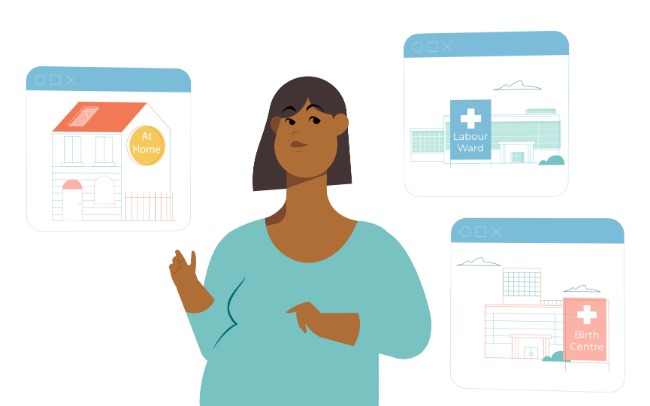
You can discover where you can give birth according to your preferences and needs – in a labour ward, in a birth centre or at home. Watch the video to learn about the different options. Your midwife at your chosen maternity unit or your doctor can help advise you on the best choice for you. Video credit: NHS North West London maternity services.

Chronic hypertension (high blood pressure): Frequently asked questions

Chronic hypertension (high blood pressure): Frequently asked questions

How is the diagnosis made?

You may have been told you have high blood pressure before you became pregnant and you may already be taking tablets to treat your blood pressure. Sometimes chronic hypertension is diagnosed in pregnancy as it is the first time you have had your blood pressure checked on such a regular basis and in this case, the diagnosis will be made as your blood pressure was high on two occasions before 20 weeks of pregnancy.

What does this mean?

For me:

  • Pregnancy can put a strain on your heart and blood vessels so your blood pressure may go up and need treatment
  • High blood pressure increases your chance of having pre-eclampsia (a pregnancy condition that can cause kidney, liver and other problems
  • You will be offered regular appointments to check your blood pressure and urine
  • You will be recommended to give birth in hospital on the labour ward
  • You will need long term follow up of high blood pressure with your GP to reduce risks of heart disease after your baby is born.

For my baby:

  • There is an increased chance of your baby not growing well in the womb
  • There is a higher risk of your baby being born early (before 37 weeks of pregnancy).

What will the medical team recommend?

  • Care under an obstetrician alongside your midwifery team
  • Regular blood pressure and urine tests 2-4 weekly and more often near the end of your pregnancy (this may be with your midwife, obstetrician or GP)
  • Blood pressure tablets if your blood pressure is high
  • Aspirin tablets (75 or 150mg) to reduce the risk of you developing pre-eclampsia
  • Home blood pressure monitoring
  • Induction of labour between 38 and 40 weeks of pregnancy. This decision will be agreed with you based on your blood pressure readings and the wellbeing of the baby, to reduce the risk of stillbirth. You will be supported to make the decision that is right for you.

What tests will/may be considered? How often may they be needed?

  • When you are first diagnosed in the pregnancy, your kidney function (blood test) will be checked and you may be asked to have an ECG (heart tracing) to check if your body has been affected by the high blood pressure
  • You will be offered extra scans of your baby to check your baby is growing well in your womb and how well your placenta is working
  • If we suspect you are developing pre-eclampsia, we will recommend tests of your liver, kidneys and blood and we may check your placental growth factor level (which is an indicator of how well your placenta is working).

What symptoms and signs should I be looking out for?

  • Headaches can occur if your blood pressure is too high or if you are developing pre-eclampsia
  • Other symptoms of pre-eclampsia include: swelling in your hands and face, blurred vision, pain in your tummy, vomiting, baby not moving so well

What are the ‘red flag’ symptoms/concerns, which means that they should be reported immediately?

  • If your baby isn’t moving as normal, then you should be seen at the hospital immediately
  • If you have any of the symptoms of pre-eclampsia listed above then you should contact your maternity unit immediately.

Likely recommendations

Treatment options

Tablet treatment for your blood pressure will be recommended if your blood pressure is more than or equal to 140/90 mmHg The tablets most commonly used are:
  • Labetalol
  • Nifedipine
  • Methyldopa

Timing of birth

  • This will depend on how well you and your baby are in the pregnancy and on whether you develop pre-eclampsia
  • If the baby is well grown and the blood pressure is well controlled, then an induction of labour is likely to be recommended between 38 and 40 weeks of pregnancy.

How may this impact my birth choices?

Continuous monitoring of your baby’s heart beat in labour will be recommended whether your labour starts naturally or is induced. This is because the placenta may be working less well and we would not want to miss changes in the heart rate that would indicate the baby is not coping well with labour. This takes place in hospital on the labour ward.

How may this affect care after the birth?

  • You will need to have your blood pressure checked regularly and stay in the hospital for at least 24 hours after you give birth
  • Your blood pressure treatment will be switched to those suitable for breastfeeding
  • You will need to see your GP for ongoing monitoring of your blood pressure and treatment.

What will this mean for future pregnancies? How can I reduce my risk of this happening again?

  • High blood pressure can be reduced through diet and exercise if you are overweight or inactive
  • Ensuring your blood pressure is monitored and well controlled (less than 140/90 mmHg) will reduce the risk of harm for you and/or your baby in future pregnancies

What will this mean for future/my long-term health and how can I influence this?

  • Chronic hypertension increases your long term risk of heart disease including heart attacks and stroke.
  • Your risk of heart disease can be reduced by eating healthily, especially by reducing your salt intake and exercising regularly
  • Your risk of heart disease can also be reduced by taking your blood pressure treatment to control your blood pressure and your GP will tell you how low they would like your blood pressure to be while on treatment.

Where can I find out more information about this condition?

Information on chronic hypertension NHS High blood pressure Action on pre-eclampsia: High blood pressure High blood pressure and planning a pregnancy

Mouth (oral) thrush

Mouth (oral) thrush

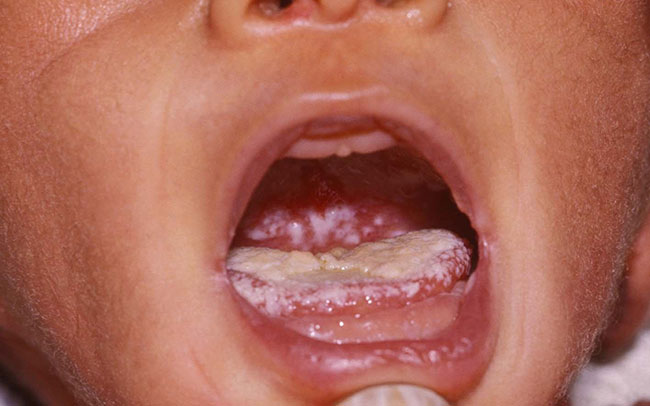
Close up of baby's open mouth showing white patches of thrush Oral thrush is a common fungal infection in the mouth. It can be easily and quickly treated if it doesn’t clear up on its own.

How do I know if my baby has thrush?

  • Look out for white spots or patches on your baby’s cheeks, gums and palate. These patches can look like milk spots, but if you rub them there will be a raw area underneath.
  • Your baby may fuss when breastfeeding or might even refuse your breast or bottle.
  • Sometimes babies get nappy rash when they have oral thrush. It might look red or bright pink with small raised spots and you might find standard nappy rash creams aren’t effective in clearing the rash.
  • If you are breastfeeding you may notice that you have thrush on your nipples, making them painful, red and cracked.

What treatment will we receive?

Your GP or Health Visitor may prescribe an antifungal treatment. The type of treatment will depend on the age of your baby. A course of treatment usually takes 7 days. If there is no improvement after a week, ask your GP for further advice.
  • If you have thrush on your breasts, the GP will prescribe medicine for you too.

How can I prevent thrush?

  • Oral thrush will usually become less of a problem as your baby’s immune system develops.
  • Take extra care when sterilising bottles, soothers and other feeding equipment.
  • If you still have thrush, wash your breasts after feeding. Use plain water, pat dry and applied any prescribed treatment to avoid further contamination.
  • To prevent re-infection, make sure you keep separate towels for your hands before and after feeding, and before and after changing your baby’s nappy.

Home page (with internal links)

Text when no hospital is selected

Your personal choices

Explore your maternity unit in
LMS title
, add appointments and develop your personal care plans:
Text when a hospital is selected

Helpful topics: NHS approved

Your feedback

Please tell us what we could improve.

COVID-19 and flu vaccines during pregnancy

COVID-19 and flu vaccines during pregnancy

COVID-19 and flu vaccines are recommended in pregnancy. Pregnant women and birthing people are strongly advised to take the COVID-19 and flu vaccines. COVID-19 and flu vaccines can be given at any stage in pregnancy. Vaccination is the best way to protect against the known serious risks of COVID-19 including protection against admission to intensive care and premature birth of the baby. Most maternity units offer vaccination, you can also book via the national vaccination booking system or ask your GP. For more information and most recent data around vaccination in pregnancy and while breastfeeding please visit: The Royal College of Obstetricians and Gynaecologists advice on vaccination in pregnancy and while breastfeeding Key information on COVID-19 in pregnancy Read this link for further information about the COVID-19 vaccine:

Contacts: St Thomas’ Hospital

St Thomas%27 Hospital

Hospital switchboard

Tel: 020 7188 7188

Antenatal clinic

Tel: 020 7188 8001

Antenatal ward

Tel: 020 7188 0676

Home from Home Birth Centre

Tel: 020 7188 2966 or

Tel: 020 7188 2969

Community Midwives

Tel: 020 7188 6863

Fetal Medicine Unit (Nuchal scans)

Tel: 020 7188 8003 or

Tel: 020 7188 3877

Early Pregnancy Unit

Tel: 020 7188 0864

Hospital Birth Centre (Labour ward)

Tel: 020 7188 6867 or

Tel: 020 7188 2975

Maternity Assessment Unit

Tel: 020 7188 1722

Maternity Helpline

Tel: 020 7188 1723

Postnatal ward

Tel: 020 7188 6846

Ultrasound (20 week scans)Tel: 020 7188 5547

Contacts: University Hospital Lewisham

University Hospital Lewisham

Hospital switchboard

Tel: 020 8333 3000

Antenatal clinic

Tel: 020 8333 3181

Antenatal ward

Tel: 020 8333 3000 ext: 6006

Birth centre

Tel: 020 3192 6863

Community midwives

For non-urgent enquiries, contact your named team (9am-4pm.)

Manor House

Tel: 07741 232205

Broadway

Tel: 07810 055405

Wells Park

Tel: 07766248935

Waldron

Tel: 020 3049 3740

Parkview

Tel: 020 8318 7441

Indigo

Tel: 07717 661 265

Emerald

Tel: 07584 544999

Lynn Bayes, Matron

Email: Lynn.bayes@nhs.net

Day assessment unit

Tel: 020 8333 3000 ext: 8718

Early pregnancy unit

Tel: 020 8333 3000 ext: 8751

Labour ward

Tel: 020 8333 3026

Maternity helpline

Tel: 020 8836 4491

Maternity triage

Tel: 020 8333 3026

Postnatal ward

Tel: 020 8333 3018

Ultrasound

Tel: 020 8333 3350