
Common physical concerns after birth
 Find out more about how your body may feel after birth and how to support your physical recovery by exploring the links below.
Find out more about how your body may feel after birth and how to support your physical recovery by exploring the links below.
Find out more about how your body may feel after birth and how to support your physical recovery by exploring the links below.

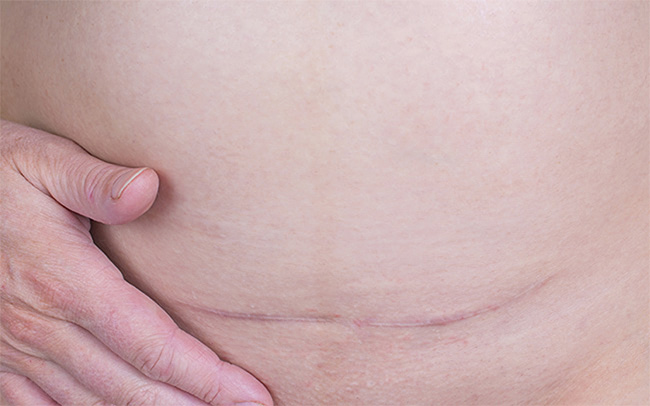 Following a caesarean you may feel sore and swollen for a few days. To help with pain, regular pain relief is recommended in combination with early and gentle movement.
Always wash your hands before caring for your caesarean wound.
Your scar will take up to six weeks to heal, and to assist with healing you should:
Following a caesarean you may feel sore and swollen for a few days. To help with pain, regular pain relief is recommended in combination with early and gentle movement.
Always wash your hands before caring for your caesarean wound.
Your scar will take up to six weeks to heal, and to assist with healing you should:

 Living with epilepsy can be challenging if you are the parent of a new baby. Please speak to your midwife or GP if there are any changes in your epilepsy in the period after your birth up to and including the first year. Visit the related links below for more information about caring for yourself and your baby.
 Intrahepatic cholestasis usually gets better after birth. Rarely, women may have persistently elevated liver enzymes after birth which may indicate a separate underlying liver problem, requiring investigation by your GP in conjunction with a liver specialist.
Your GP should check that your liver function has returned to normal at your six week postnatal check.
There is a high chance that intrahepatic cholestasis may happen again in a future pregnancy. Up to 90 per cent of women who have had intrahepatic cholestasis will develop it again in future pregnancies.
If you have had intrahepatic cholestasis in your pregnancy, it is recommended to have your liver function checked before taking a hormone based contraceptive. For more information see the related link below ‘ICP and contraception advice’.
Intrahepatic cholestasis usually gets better after birth. Rarely, women may have persistently elevated liver enzymes after birth which may indicate a separate underlying liver problem, requiring investigation by your GP in conjunction with a liver specialist.
Your GP should check that your liver function has returned to normal at your six week postnatal check.
There is a high chance that intrahepatic cholestasis may happen again in a future pregnancy. Up to 90 per cent of women who have had intrahepatic cholestasis will develop it again in future pregnancies.
If you have had intrahepatic cholestasis in your pregnancy, it is recommended to have your liver function checked before taking a hormone based contraceptive. For more information see the related link below ‘ICP and contraception advice’.
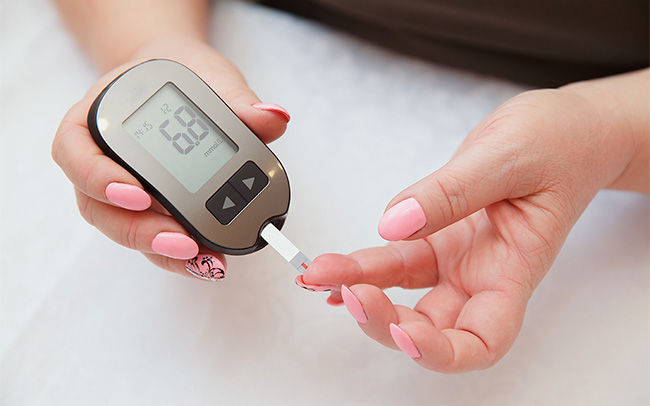 If you had diabetes before becoming pregnant, you should refer back to your diabetes team for appropriate advice about managing your blood sugars following your baby’s birth.
If you have had gestational diabetes, any medication you have been taking in pregnancy to control your blood sugars can usually be stopped after the birth. Your maternity team may check your blood sugars to ensure they are returning to normal prior to you going home from your maternity unit. You do not need to check your blood sugars once home unless you’ve been told to do so.
It is important that you arrange to have a blood test at your GP practice to exclude continued problems with your blood sugar between six and 13 weeks after the birth. Your GP should offer to repeat this blood test every year thereafter, as women who have had gestational diabetes are more likely to be diagnosed with diabetes later in life than those who have not.
Research suggests that breastfeeding your baby for more than 3 months may delay the onset of diabetes in the future, or reduce your chance of developing it at all. You can ask your midwife for support with feeding if you need it.
After you have had gestational diabetes once, the chance is higher that you will have it again in any future pregnancy, therefore it is important to plan your pregnancy and ensure you have access to maternity care early on.
Babies born to mothers with gestational diabetes are at a higher risk of obesity and type 2 diabetes later in life. Use the lifestyle information gained during your pregnancy to make healthy life choices for your whole family and the future.
If you had diabetes before becoming pregnant, you should refer back to your diabetes team for appropriate advice about managing your blood sugars following your baby’s birth.
If you have had gestational diabetes, any medication you have been taking in pregnancy to control your blood sugars can usually be stopped after the birth. Your maternity team may check your blood sugars to ensure they are returning to normal prior to you going home from your maternity unit. You do not need to check your blood sugars once home unless you’ve been told to do so.
It is important that you arrange to have a blood test at your GP practice to exclude continued problems with your blood sugar between six and 13 weeks after the birth. Your GP should offer to repeat this blood test every year thereafter, as women who have had gestational diabetes are more likely to be diagnosed with diabetes later in life than those who have not.
Research suggests that breastfeeding your baby for more than 3 months may delay the onset of diabetes in the future, or reduce your chance of developing it at all. You can ask your midwife for support with feeding if you need it.
After you have had gestational diabetes once, the chance is higher that you will have it again in any future pregnancy, therefore it is important to plan your pregnancy and ensure you have access to maternity care early on.
Babies born to mothers with gestational diabetes are at a higher risk of obesity and type 2 diabetes later in life. Use the lifestyle information gained during your pregnancy to make healthy life choices for your whole family and the future.
 Most women who are diagnosed with pre-eclampsia [PET] had normal blood pressure and no protein in their urine before pregnancy.
By six weeks after birth, your blood pressure and protein urinary levels will have usually returned to normal. However, a few women may need tablets to control their blood pressure on a long-term basis, this is one of the reasons that it is important to measure your blood pressure in the weeks after birth.
Women who have had PET are more likely than other women to have it again in a future pregnancy, and thus you should seek advice about how to manage this, either at the eight week GP postnatal check, or at a pre-pregnancy appointment.
The occurance of hypertension during pregnancy is known to predispose women to hypertension in the future. According to the National Institute for Health and Care Excellence, based on your diagnosis of hypertension during this pregnancy, there is an approximate 1 in 5 risk of hypertension during future pregnancies. There is also an increased risk that you may develop hypertension or cardiac disease in later life. Please be reassured that you can help reduce this risk by maintaining a healthy lifestyle and body weight and avoid smoking. Please consult your General Practitioner or specialist to see how you can reduce your future risks.
If you are known to have chronic hypertension you have:
Most women who are diagnosed with pre-eclampsia [PET] had normal blood pressure and no protein in their urine before pregnancy.
By six weeks after birth, your blood pressure and protein urinary levels will have usually returned to normal. However, a few women may need tablets to control their blood pressure on a long-term basis, this is one of the reasons that it is important to measure your blood pressure in the weeks after birth.
Women who have had PET are more likely than other women to have it again in a future pregnancy, and thus you should seek advice about how to manage this, either at the eight week GP postnatal check, or at a pre-pregnancy appointment.
The occurance of hypertension during pregnancy is known to predispose women to hypertension in the future. According to the National Institute for Health and Care Excellence, based on your diagnosis of hypertension during this pregnancy, there is an approximate 1 in 5 risk of hypertension during future pregnancies. There is also an increased risk that you may develop hypertension or cardiac disease in later life. Please be reassured that you can help reduce this risk by maintaining a healthy lifestyle and body weight and avoid smoking. Please consult your General Practitioner or specialist to see how you can reduce your future risks.
If you are known to have chronic hypertension you have:
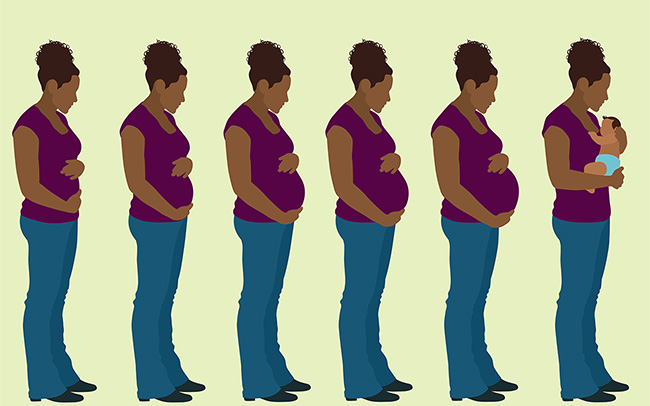 Some of the medical conditions that occur in pregnancy can have an impact on your pregnancy, but also your future health and wellbeing. If you have experienced any of these conditions, please take some time to read this information.

